Products Rooms Manufacturers & Designers Highlights Offers Info Store
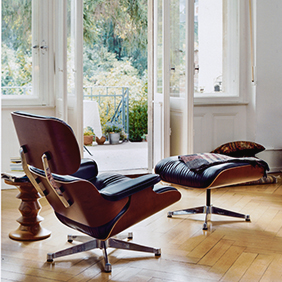
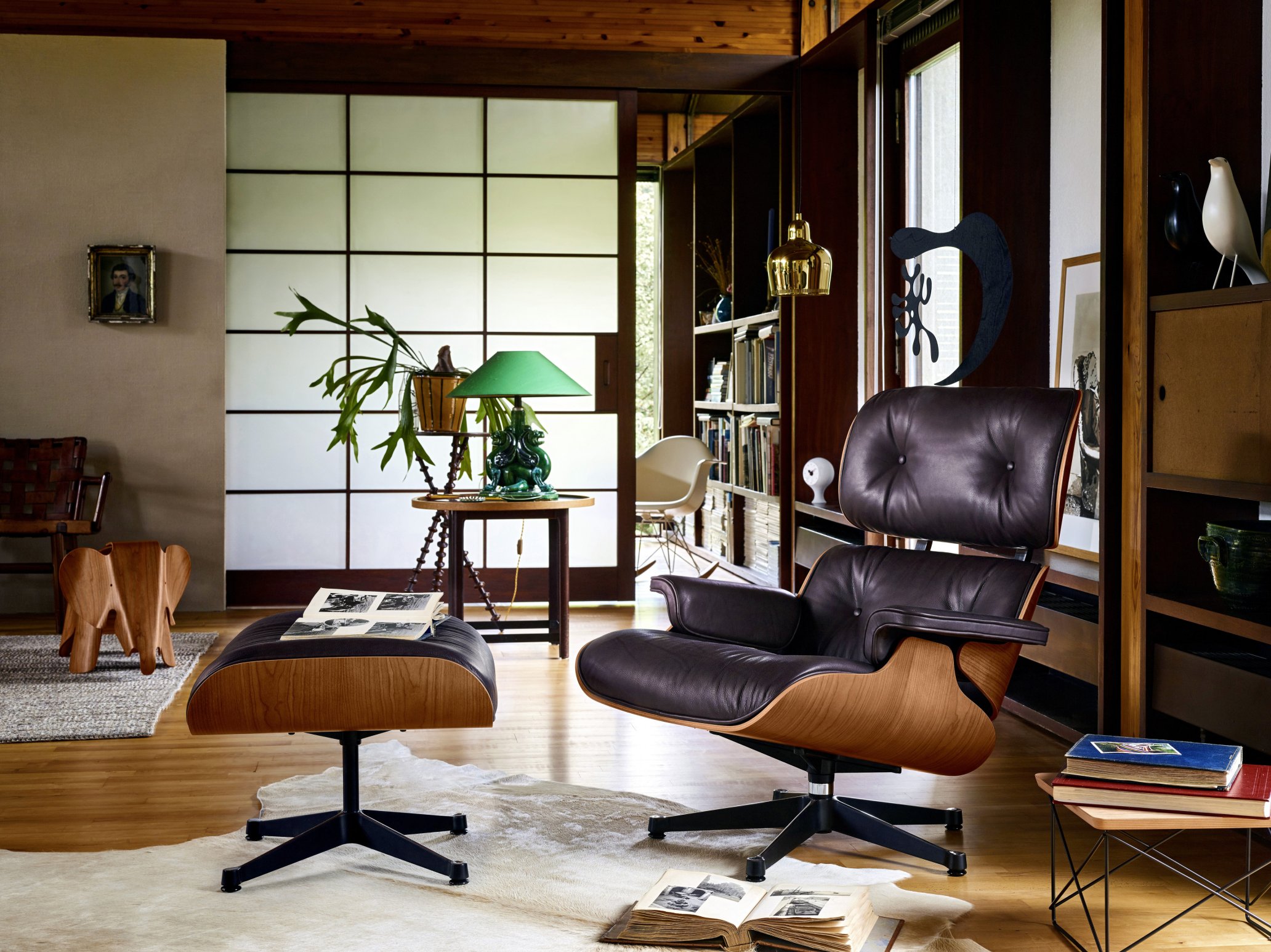
Eames Lounge Chair & Ottoman
Eames Plastic Side Chair DSW
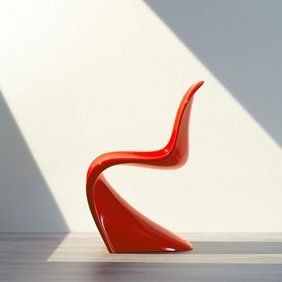
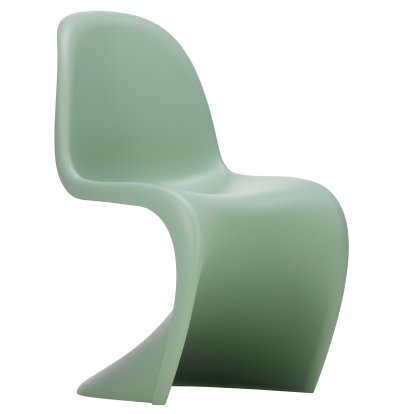
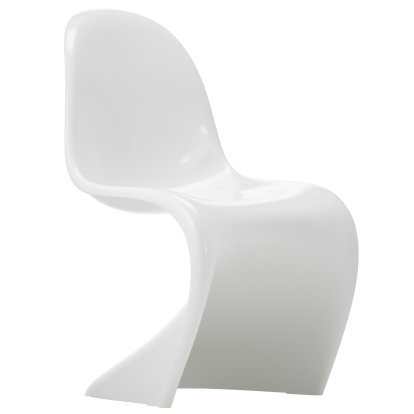
Panton Chair
Noguchi Coffee Table
Hang It All Rack
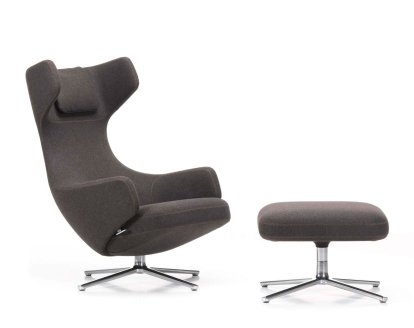
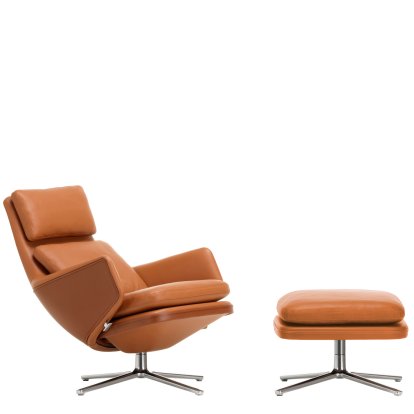
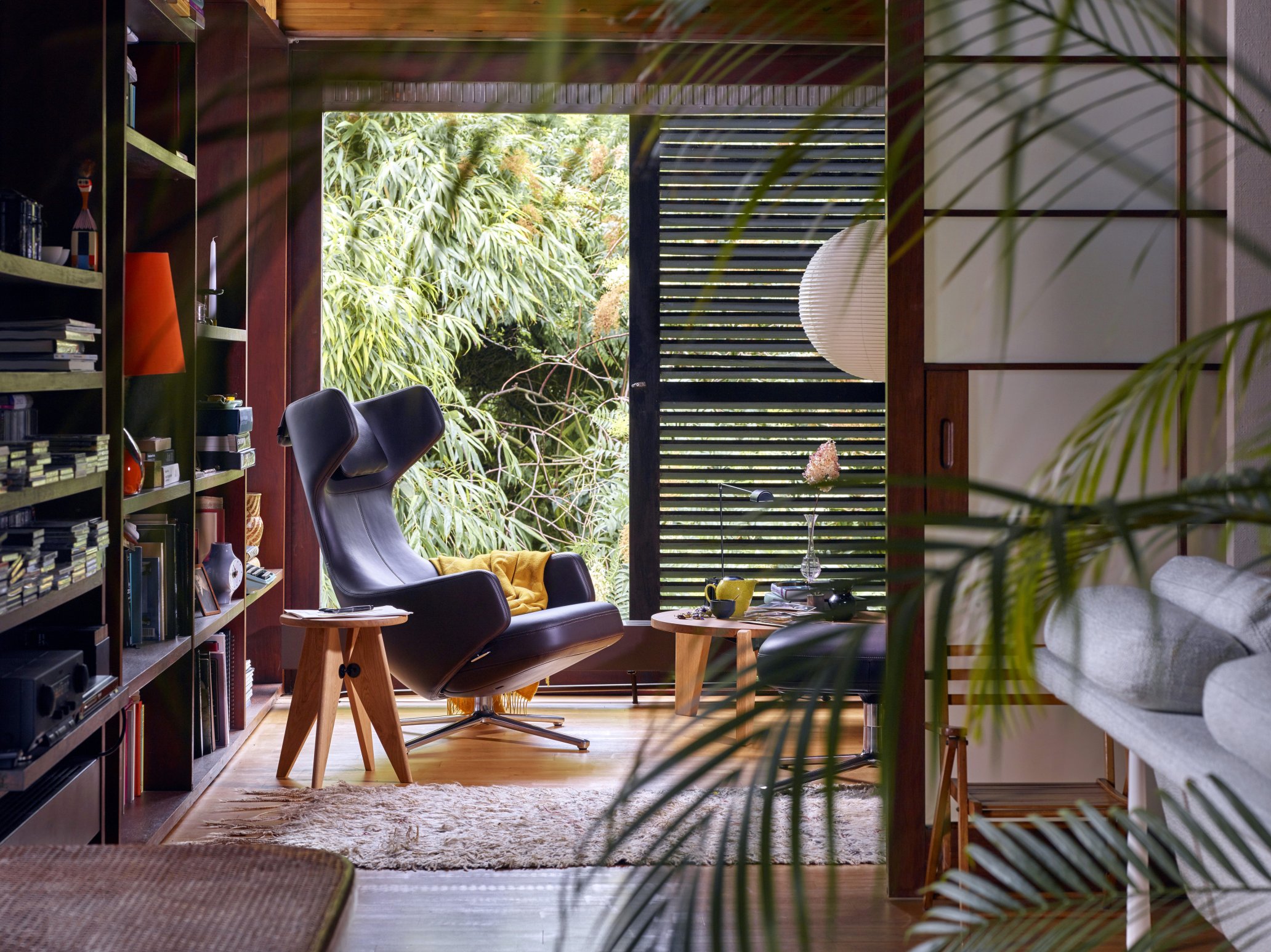
Grand Repos Lounge Chair
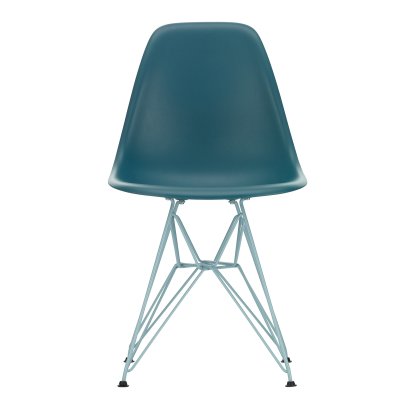
Eames Plastic Side Chair DSR
Ball Clock
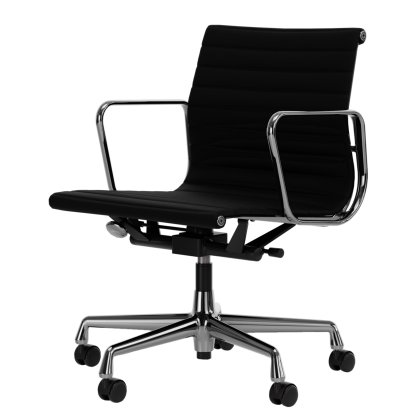
Aluminium Group EA 117
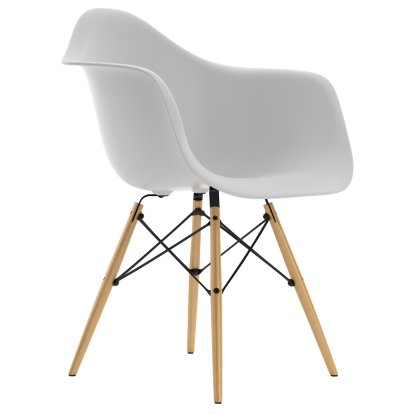
Eames Plastic Armchair DAW
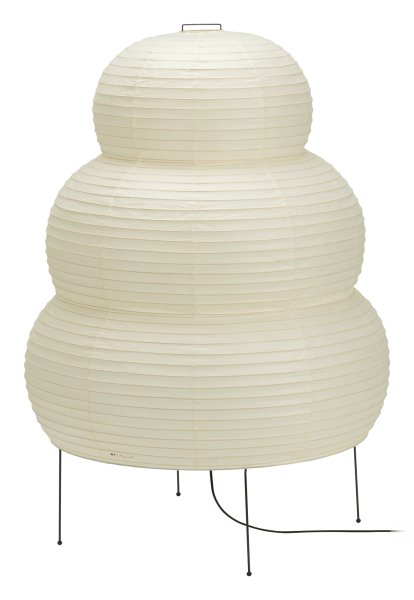
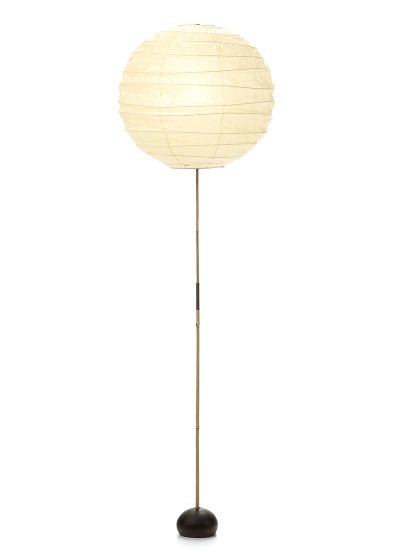
Akari 10A Floor Lamp
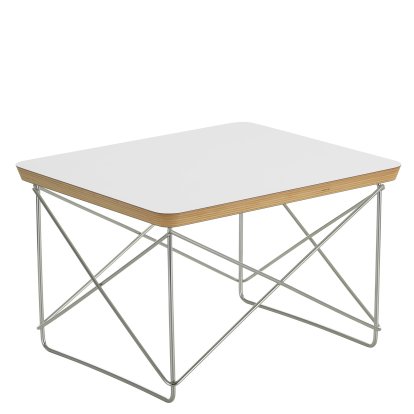
Occasional Table LTR
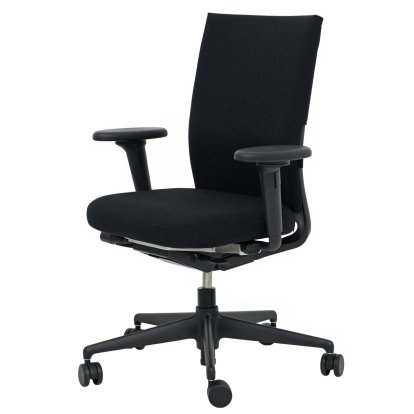
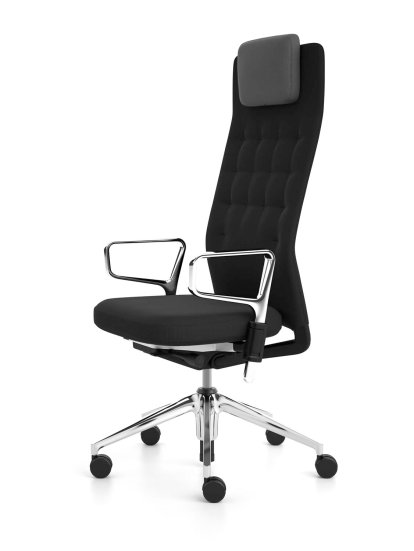
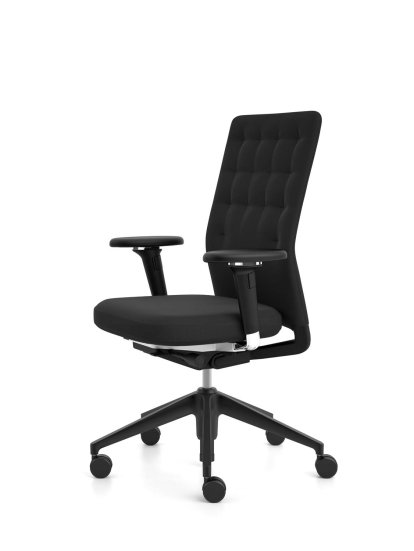
ID Soft Black Special
Offer
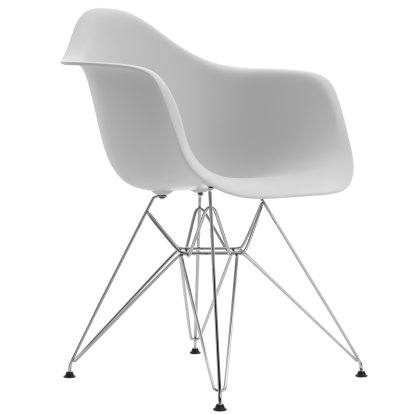
Eames Plastic Armchair DAR
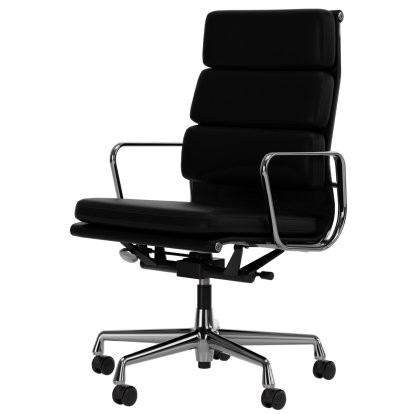
Soft Pad Group EA 219
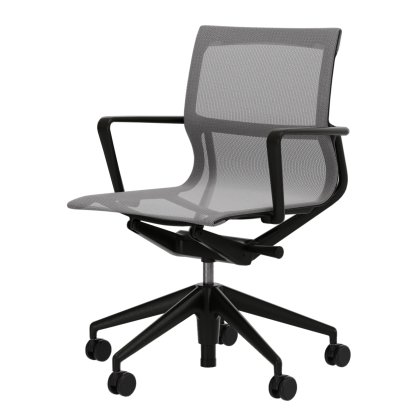
Physix
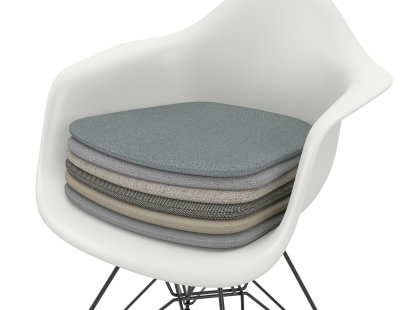
Soft Seats
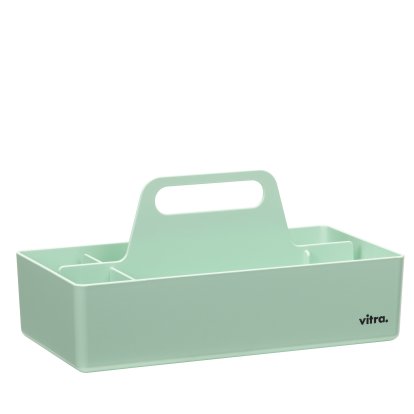
Toolbox RE
Lobby Chair ES 104
Eames Plastic Side Chair DSX
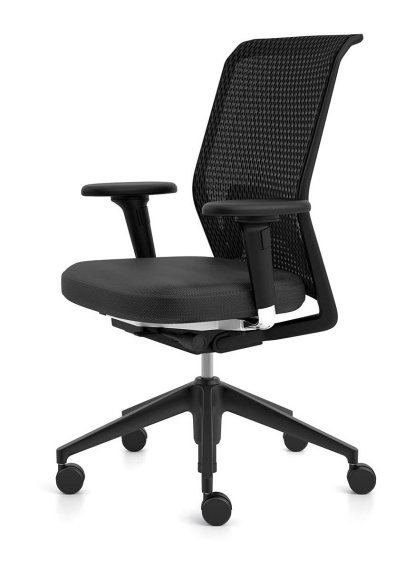
ID Mesh
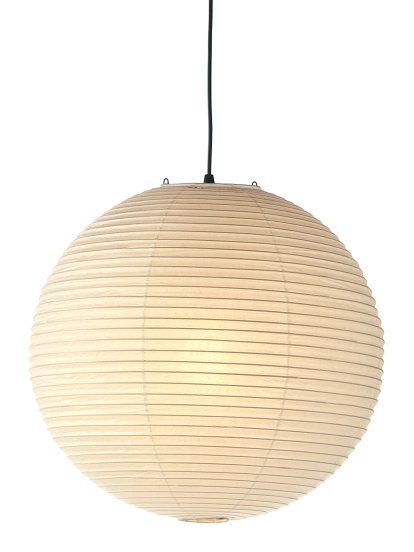
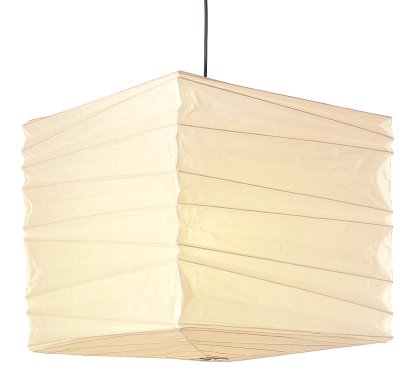
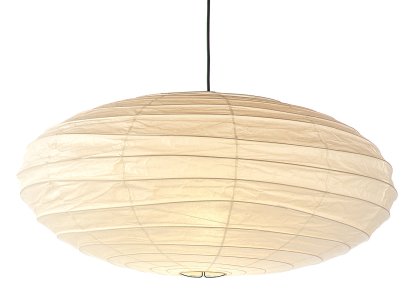
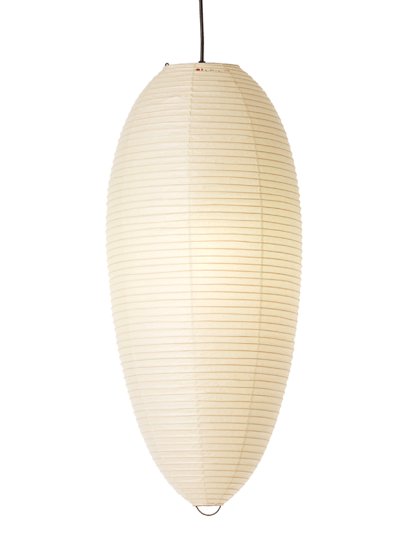
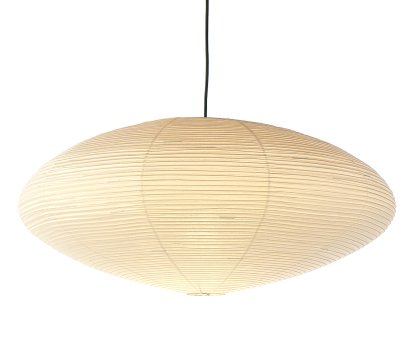
Akari 26A / 21A / 15A Pendant Lamp
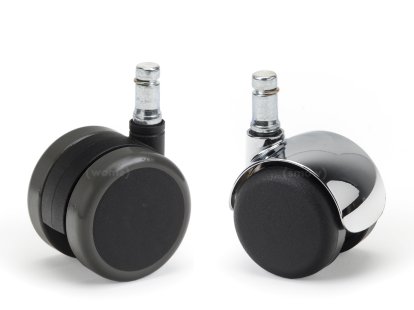
Castor for Vitra chairs
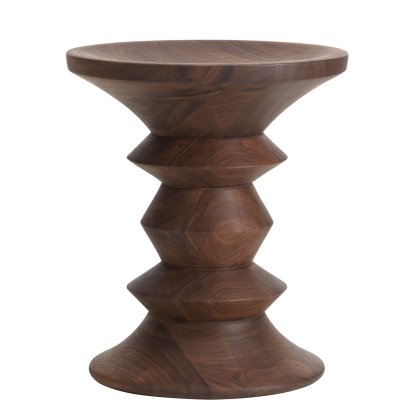
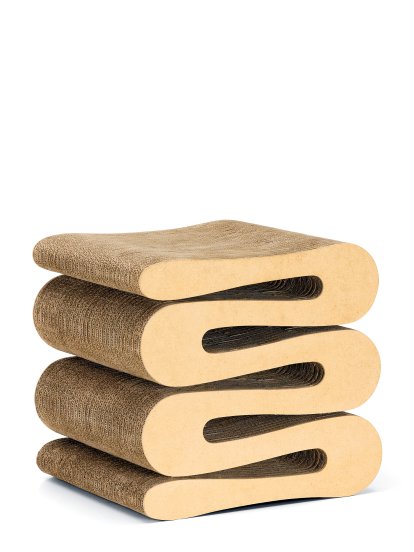
Cork Family Stool
Eames Lounge Chair & Ottoman Nubia
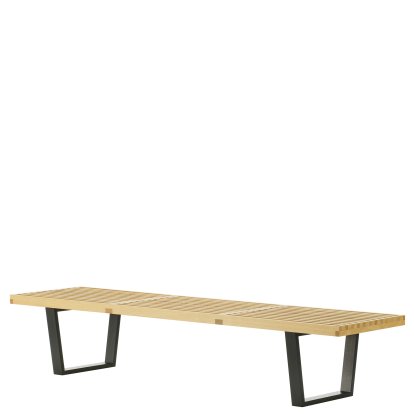
Nelson Bench
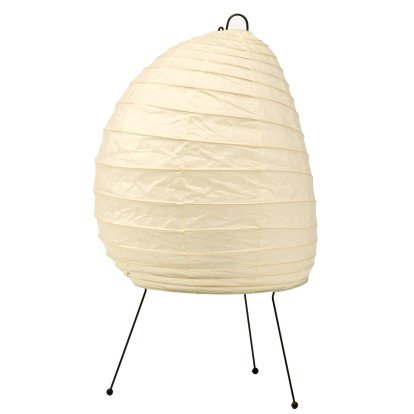
Akari 1A Table Lamp
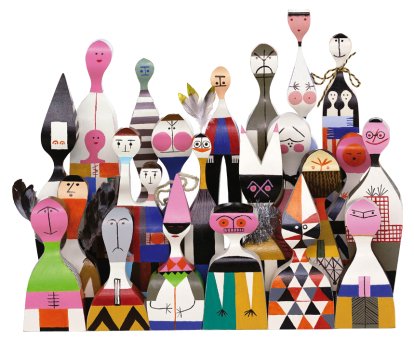
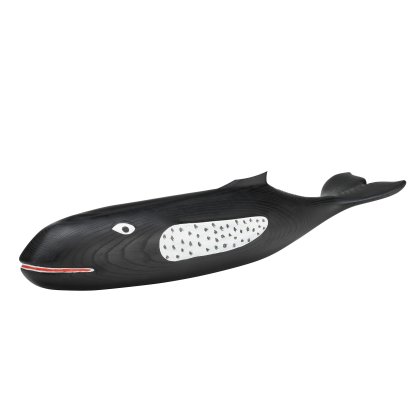
Wooden Dolls
ID Trim L
Eames Plastic Armchair LAR
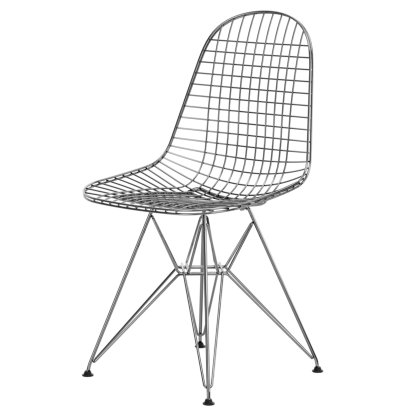
Wire Chair DKR
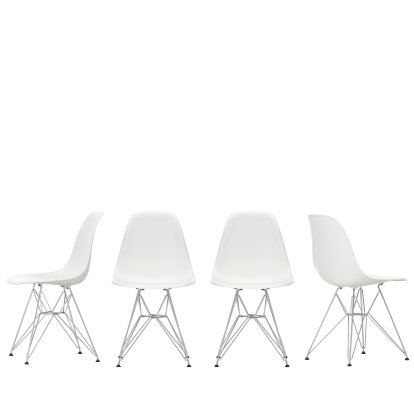
Eames Plastic Sidechair DSR 4er Promotion Set
Offer
Soft Pad Group EA 217
Eames Plastic Armchair RAR
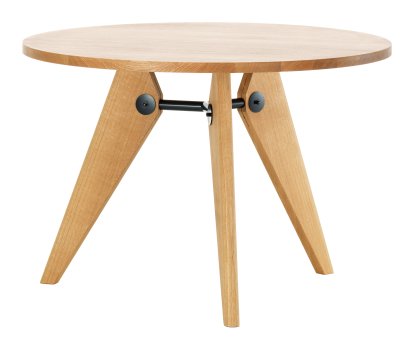
Guéridon Table
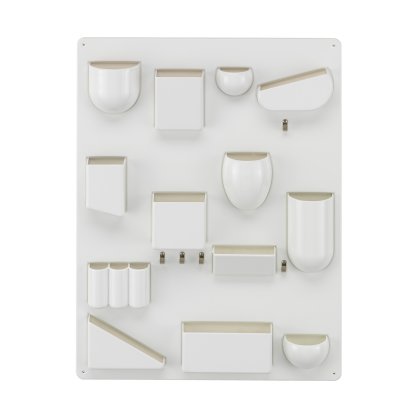
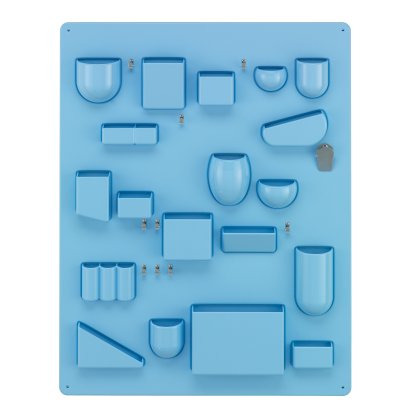
Uten.Silo RE I
Akari UF3-Q Floor Lamp
Akari BB3-55DD Floor Lamp
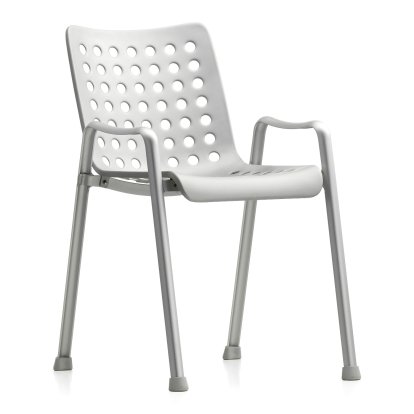
Landi Chair
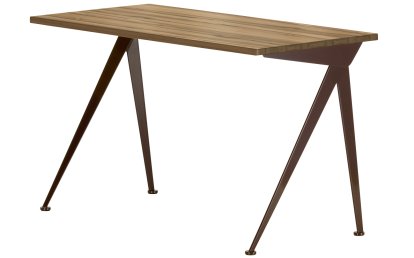
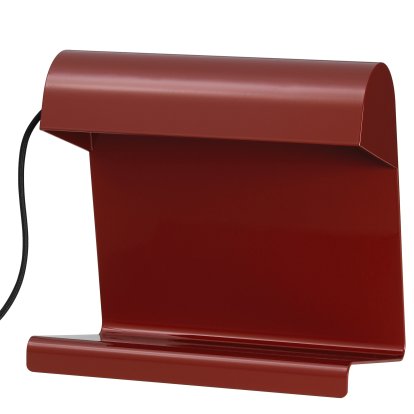
Courier Desk
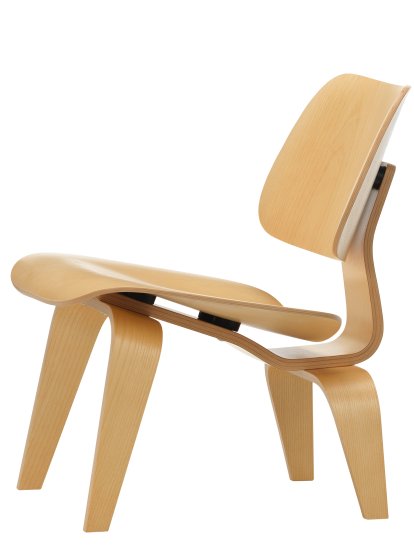
Plywood Group LCW / LCW Leather LoungeChair
Panton Chair Classic
Uten.Silo RE II
Akari 1N Table Lamp
Akari 3A Table Lamp
Akari 14A Floor Lamp
Sunflower Wall Clock
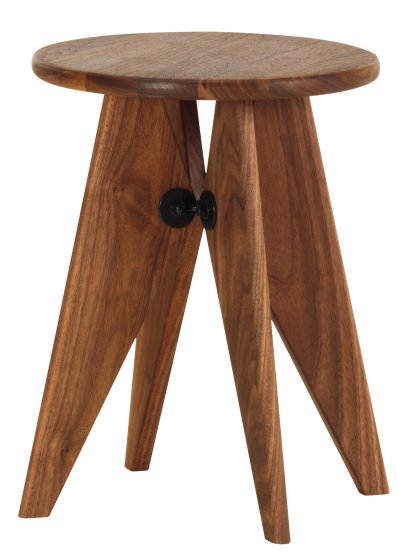
Tabouret Bois
Akari 24N / 25N Table Lamp
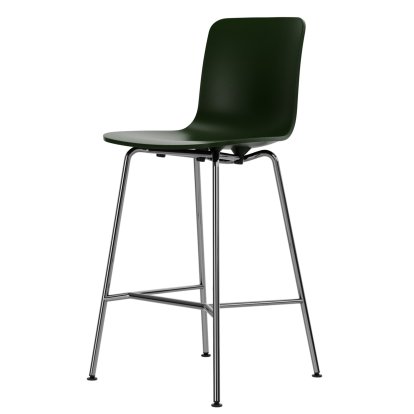
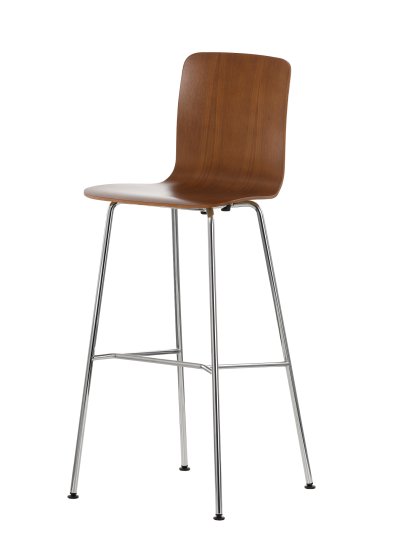
HAL RE Bar Stool
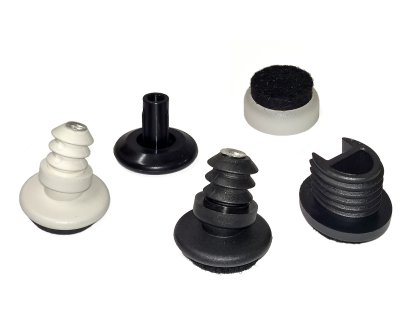
Glides (1 Set) for Vitra Chairs
Evo-C Chair
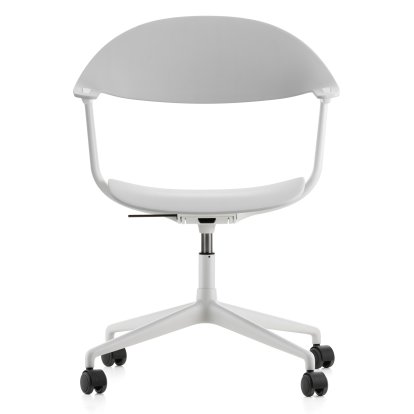
Mynt Office Svivel Chair four-star base
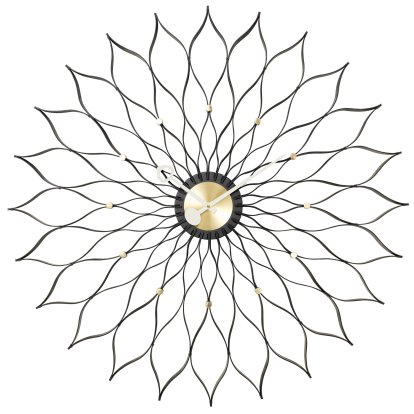
Sunflower Clock Black
Panton Junior Children's Chair
Akari 1AY Table Lamp
Akari UF1-H Table Lamp
Akari 50EN / 70EN Pendant Lamp
Eye Wall Clock
Aluminium Group EA 107 / EA 108
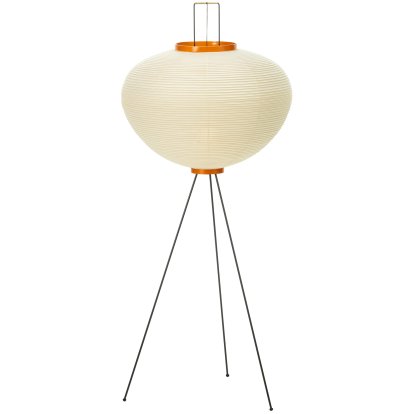
Akari 9A Floor Lamp
Eames Lounge Chair & Ottoman Calma
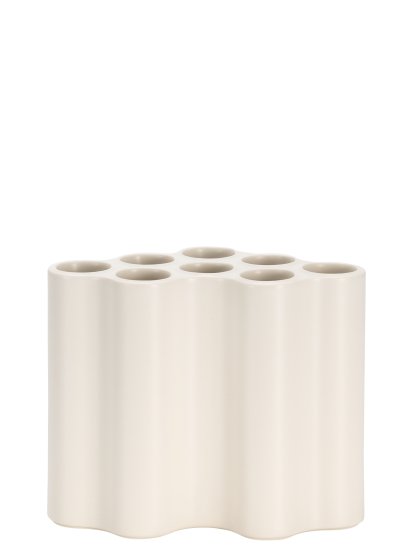
Nuage Vase
Rookie
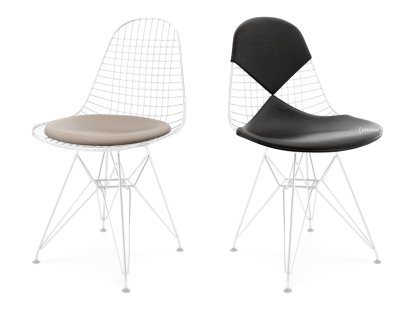
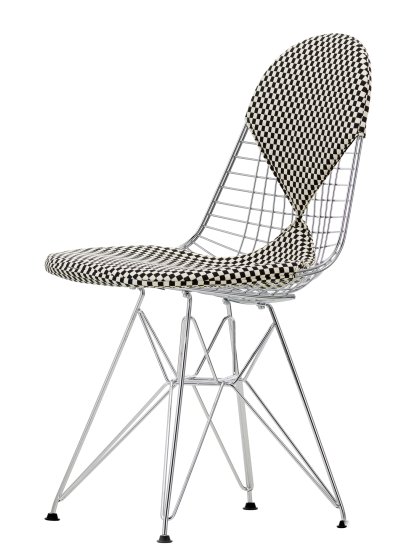
Wire Chair DKR Checker
HAL Ply Wood
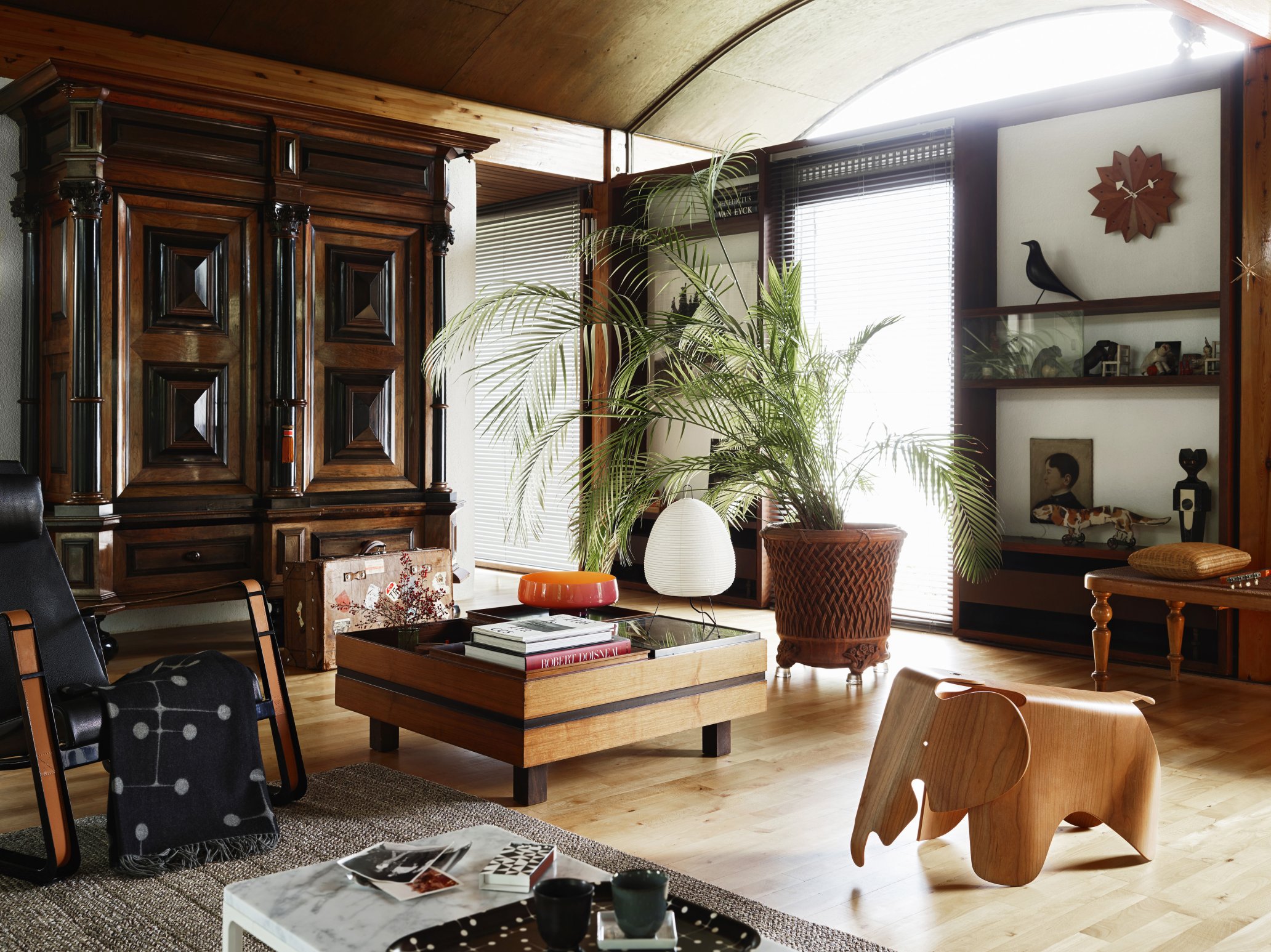
Eames Elephant
Tip Ton RE
Guéridon Bas Coffee Table
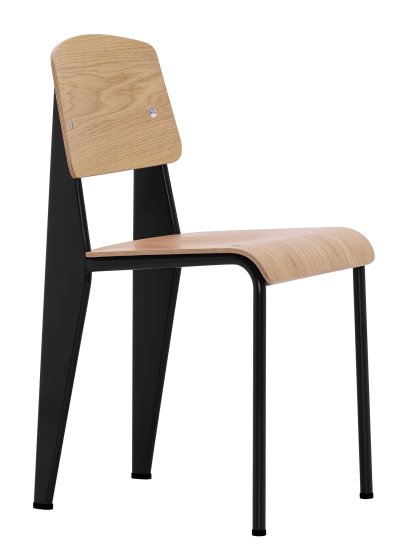
Standard Chair
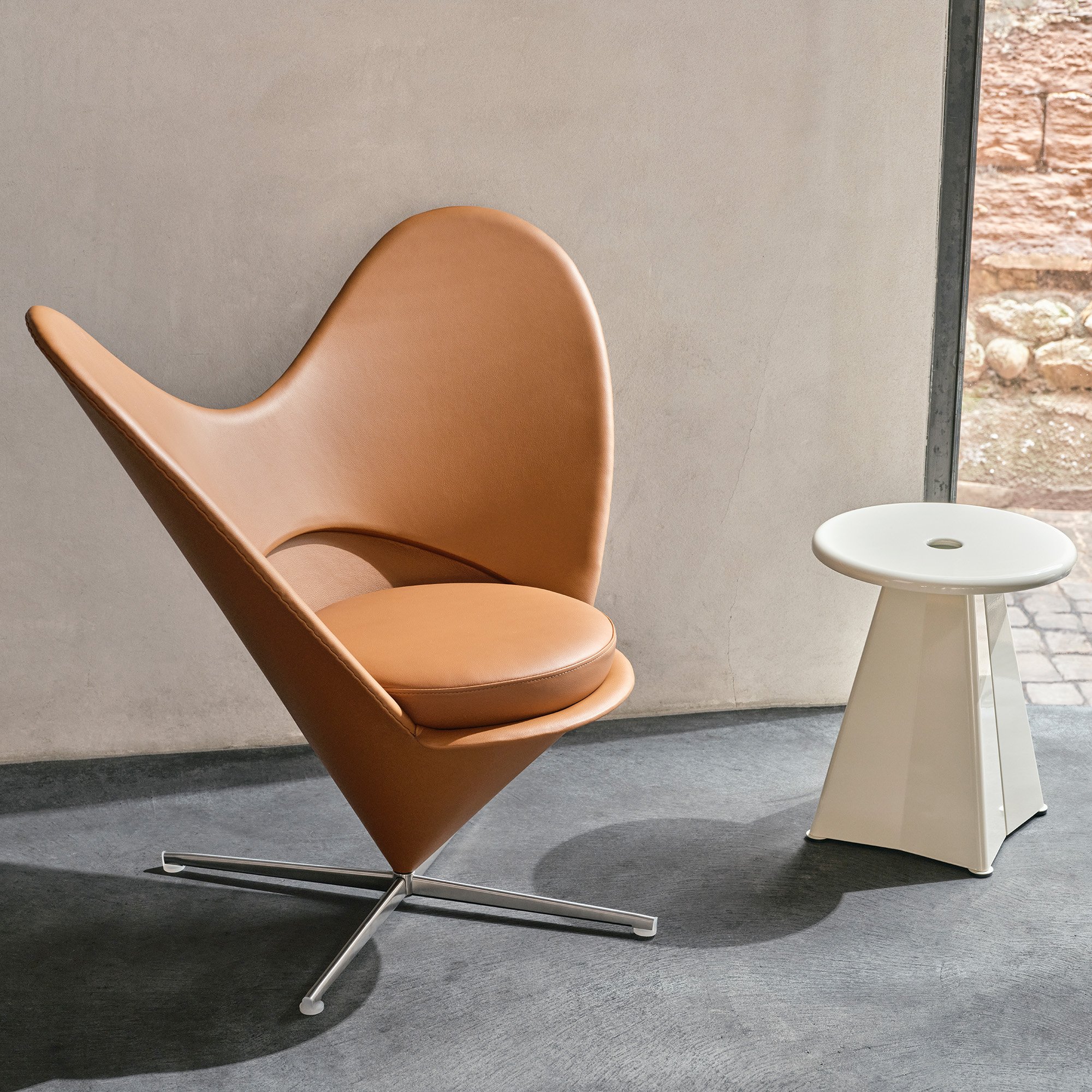
Heart Cone Chair
NesTable Side Table
Akari 1AD Table Lamp
Akari 20N Table Lamp
Akari UF4-33N Floor Lamp
Akari UF4-L8 Floor Lamp
Akari 33N Pendant Lamp
Akari 45X Pendant Lamp
Star Wall Clock
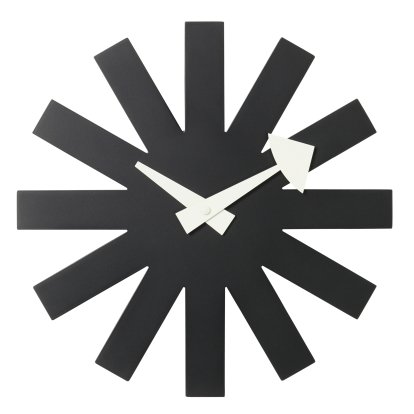
Asterisk Wall Clock
Cone Base Desk Clock
Chronopak Desk Clock
Diamond Desk Clock
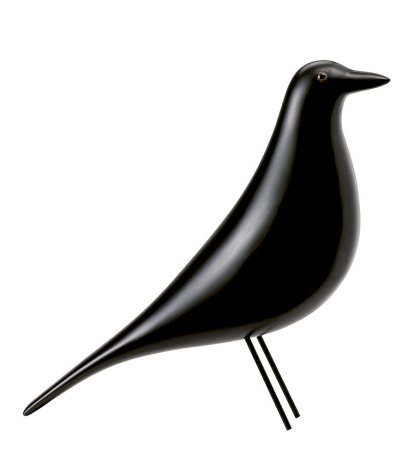
Eames House Bird Classic
Polygon Wall Clock
Night Desk Clock Black
Akari 23A Pendant Lamp
Akari 3AD Floor Lamp
Mynt Office Swivel Chair five-star base
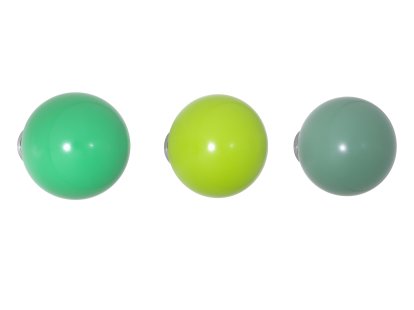
Coat Dots Set of 3
Girard Coffee Mugs
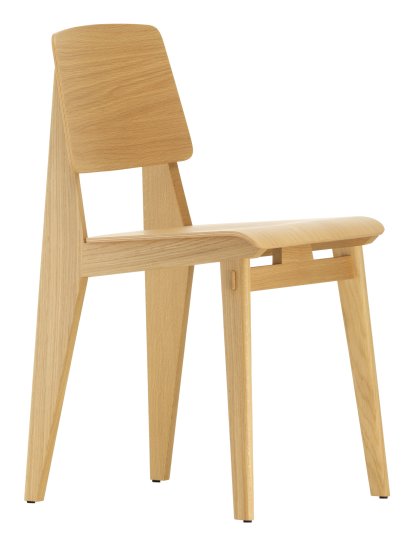
Chaise Tout Bois Chair
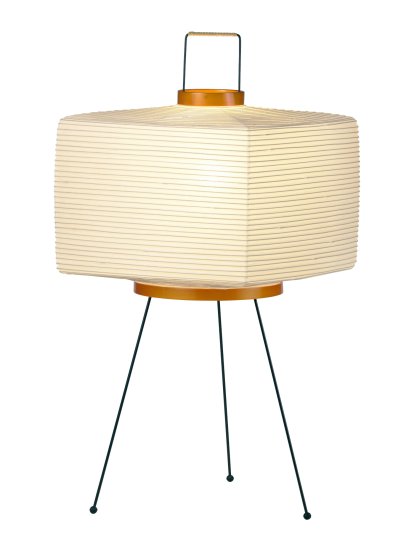
Akari 7A Floor Lamp
Wire Chair LKR
Elihu the Elephant
L'Oiseau Figure
O-Tidy
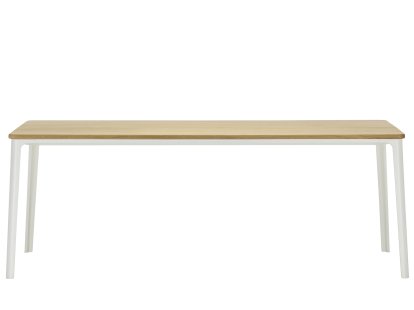
Plate Dining Table
Discover the products

Not found what you were looking for?
We can deliver all products from this manufacturer. Please contact us at 0800 15 60 00 or service@smow.ch to discuss your specific product request.

Vitra – Furniture design that bridges generations

Since 1950, the Swiss family-owned company Vitra has been developing furniture for living and working spaces. In collaboration with designers such as Charles and Ray Eames, Verner Panton and Jean Prouvé, the company has created numerous classics of modern furniture design. At the same time, Vitra is constantly expanding its collection with contemporary designs. The combination of pioneering furniture design classics with innovative, new design perspectives characterises the Vitra portfolio and defines the Vitra universe, which extends far beyond furniture design. The Vitra Campus in Weil am Rhein, home to the Vitra Design Museum and numerous buildings by international architects, demonstrates just how closely furniture, architecture and culture are intertwined at Vitra.

► What makes Vitra furniture special
► The history of Vitra: from the Eames to an international design brand
► Vitra classics and contemporary design
► Vitra furniture for the home, the workplace and outdoor spaces
► From Eames to Jongerius: the designers behind Vitra
► The original comes from Vitra
► Sustainability at Vitra: Durable furniture for the future
► Discover Vitra furniture at smow

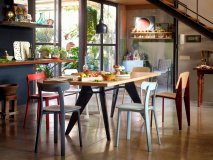
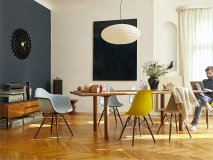
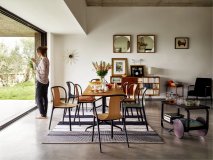
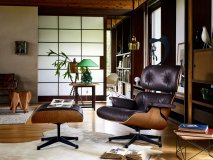
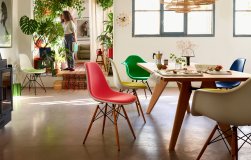
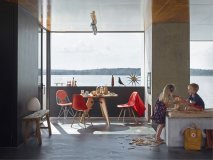
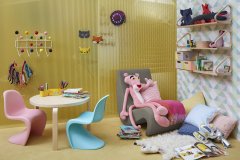
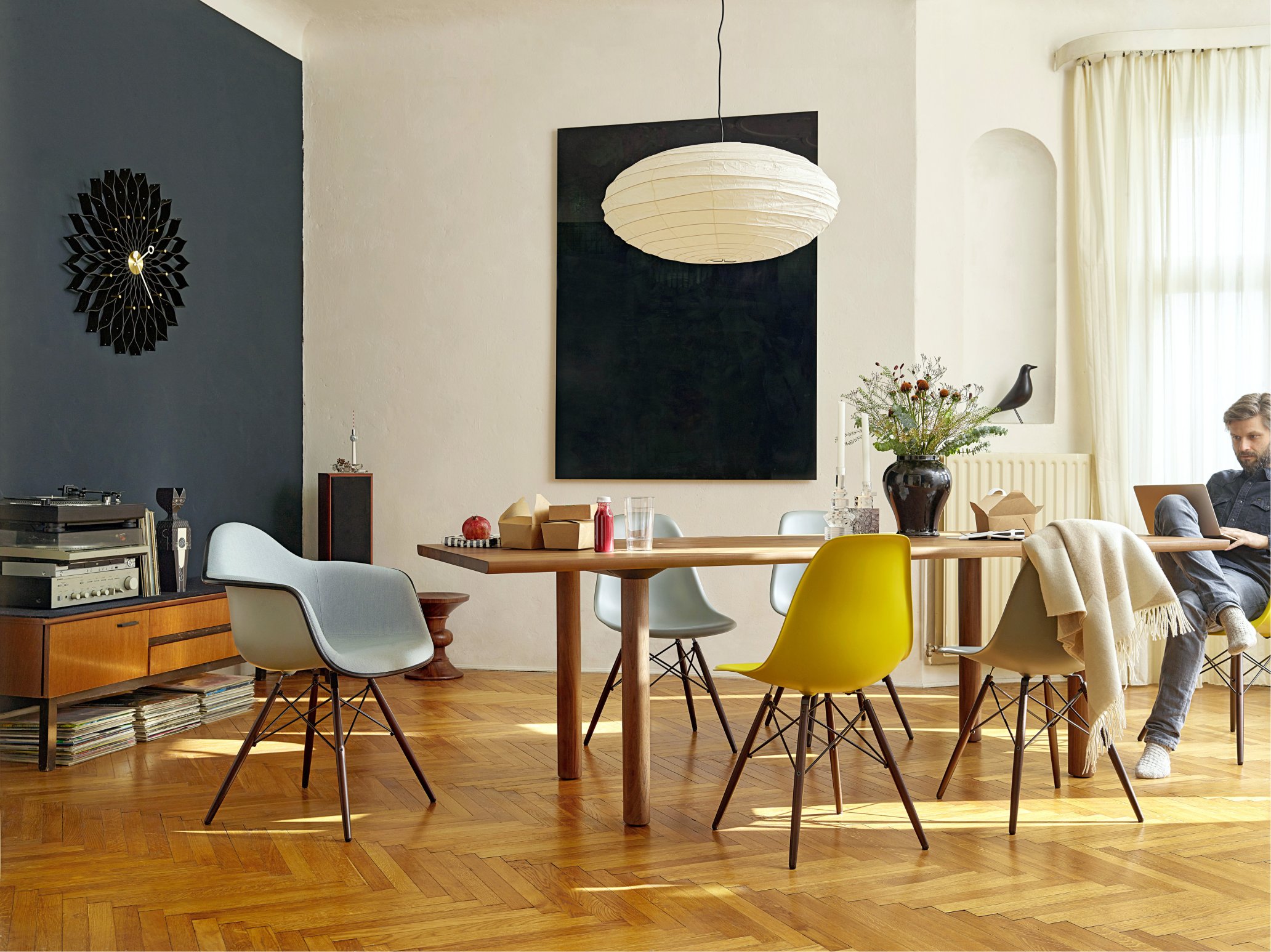
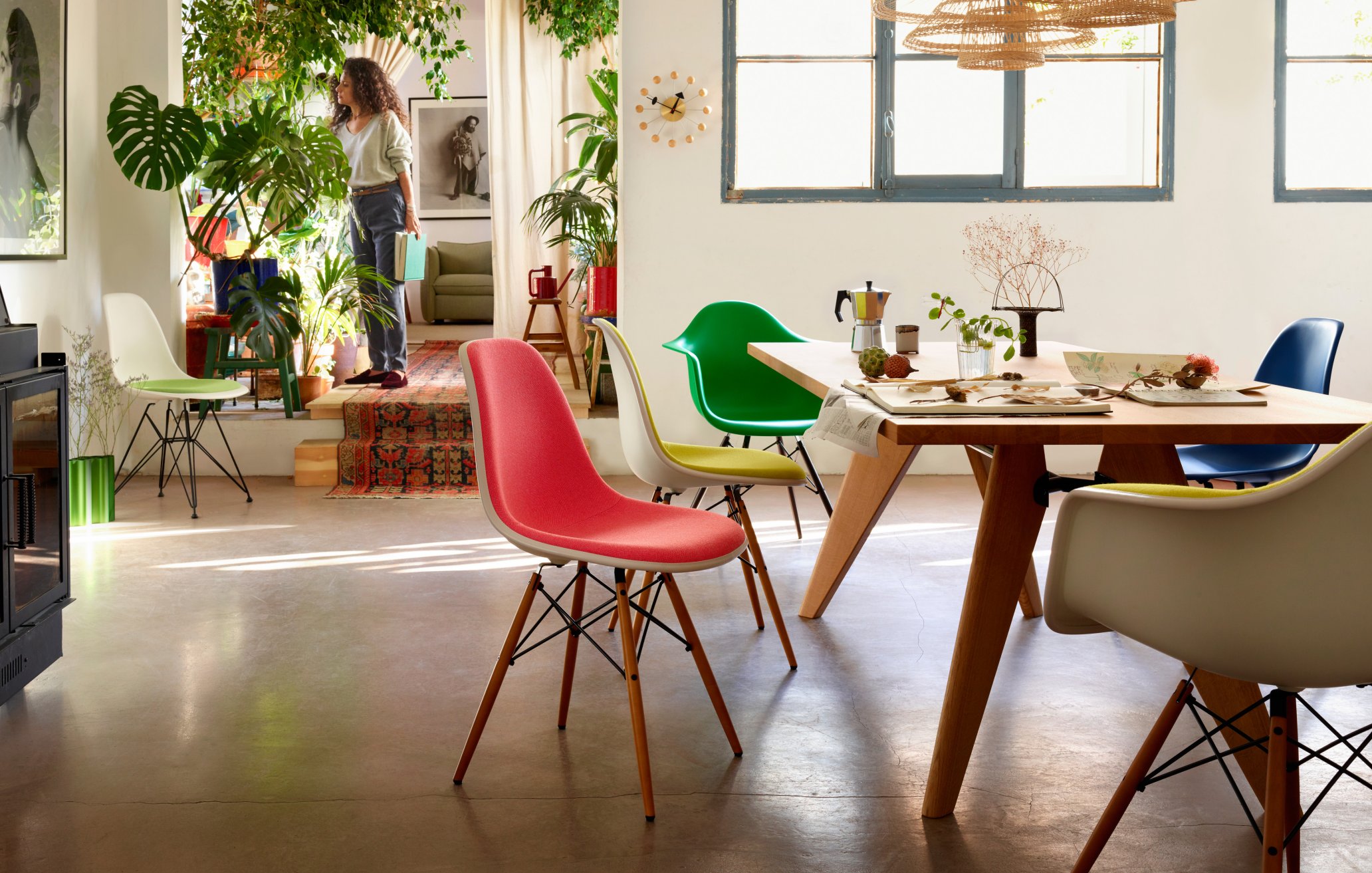
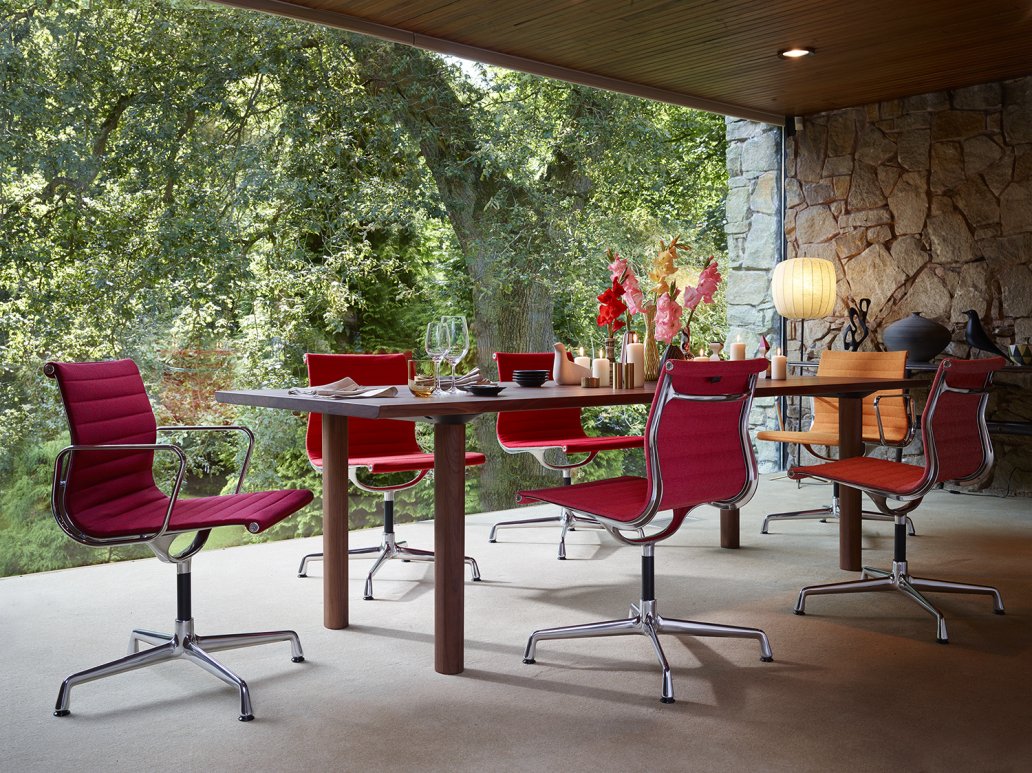
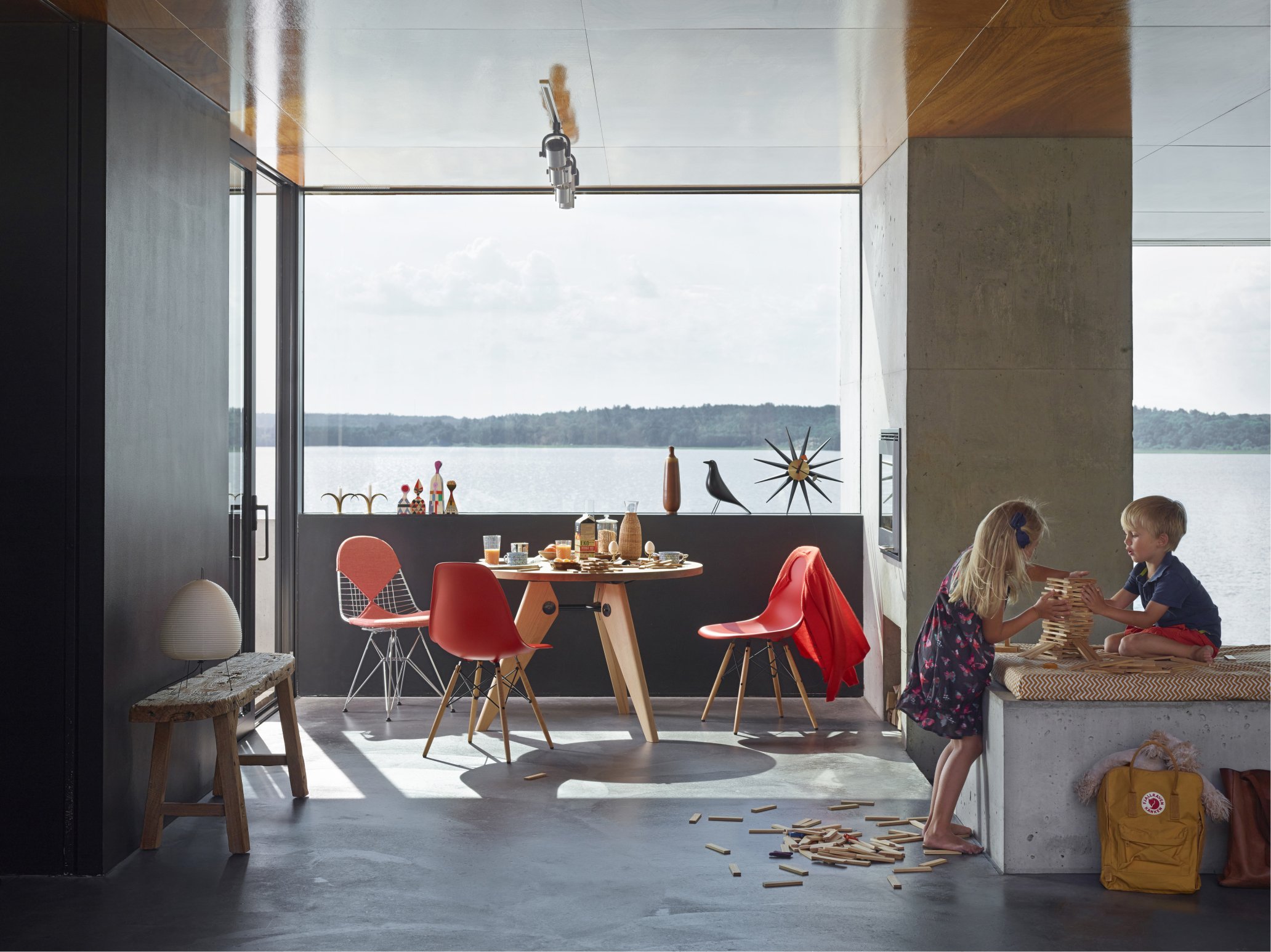
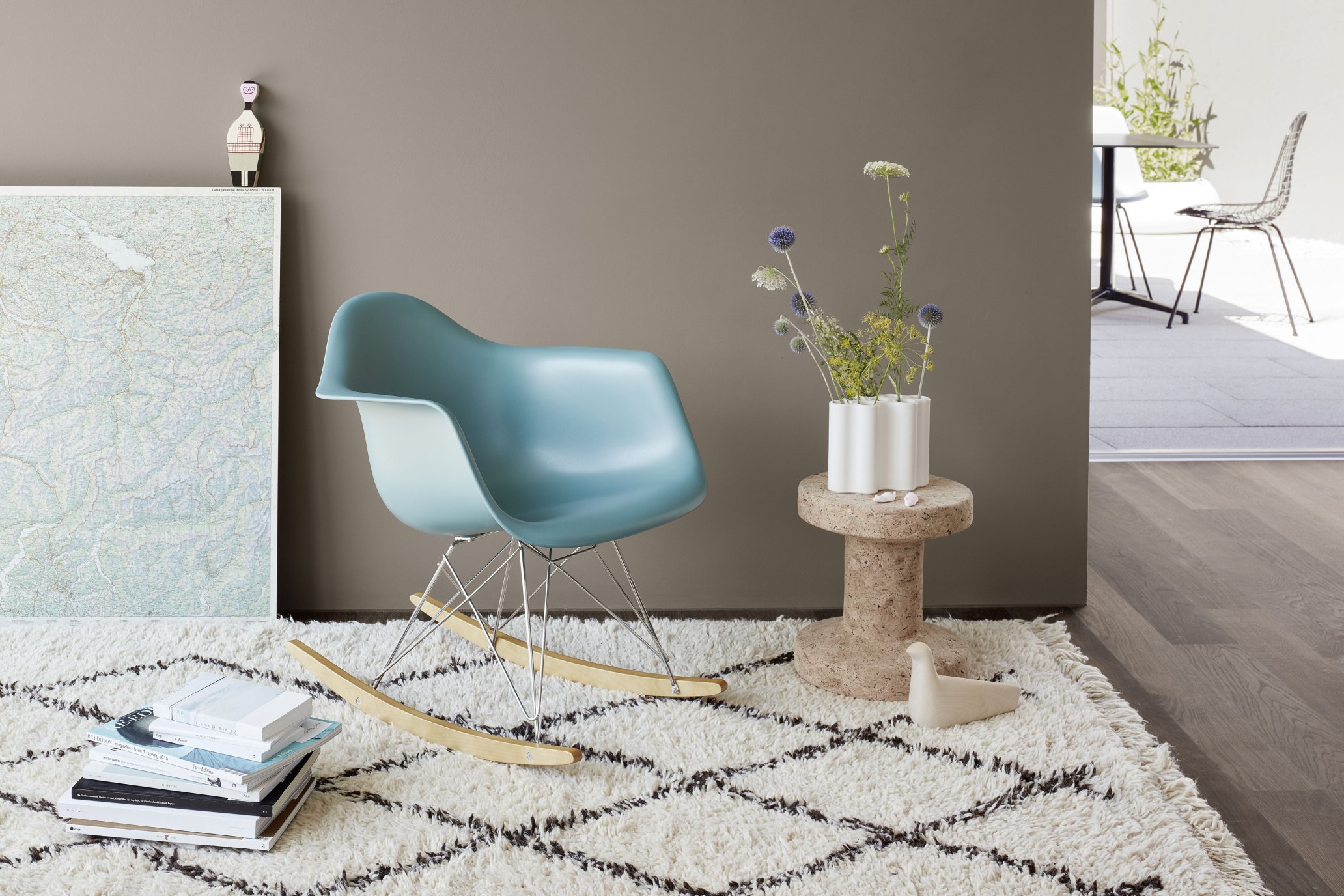
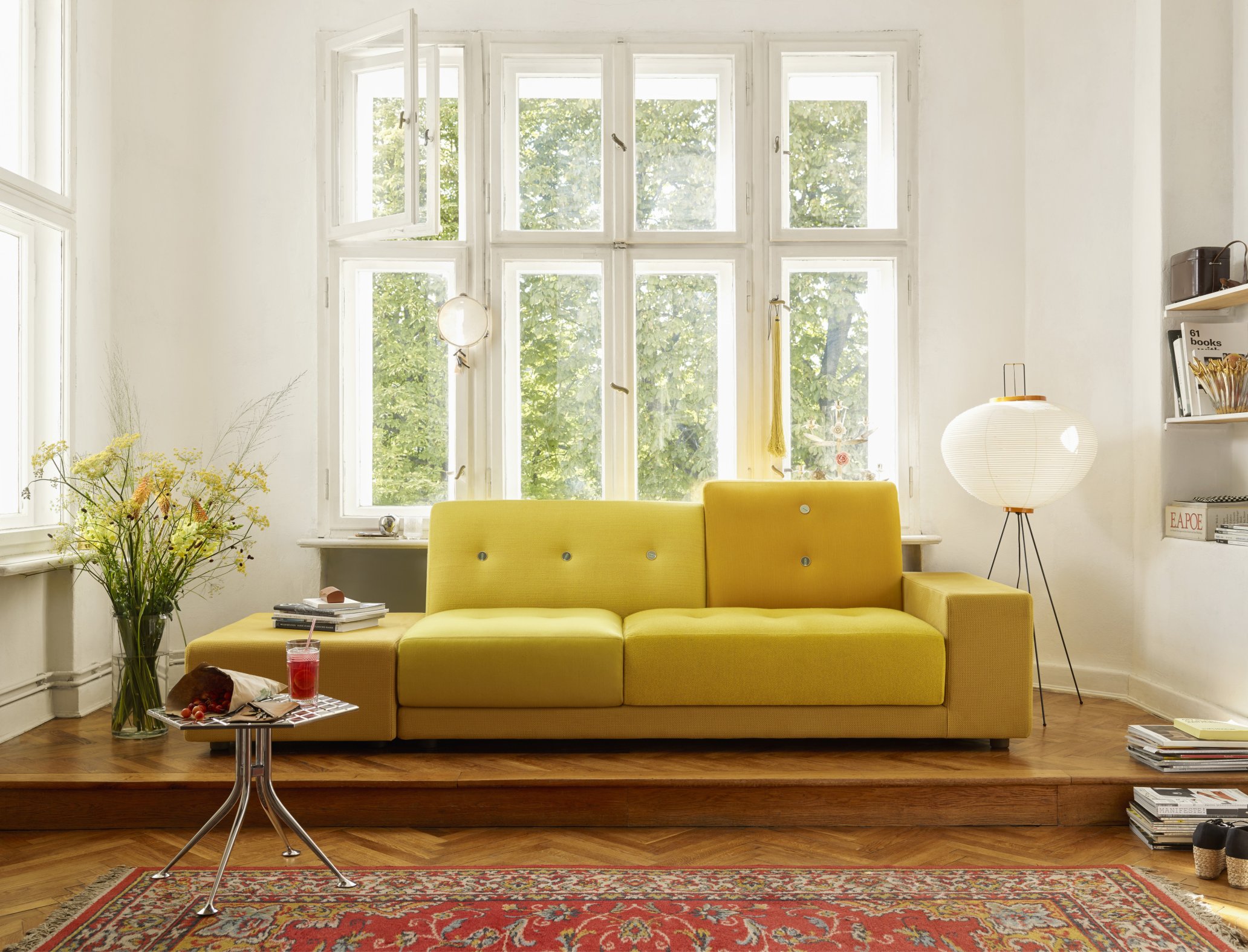
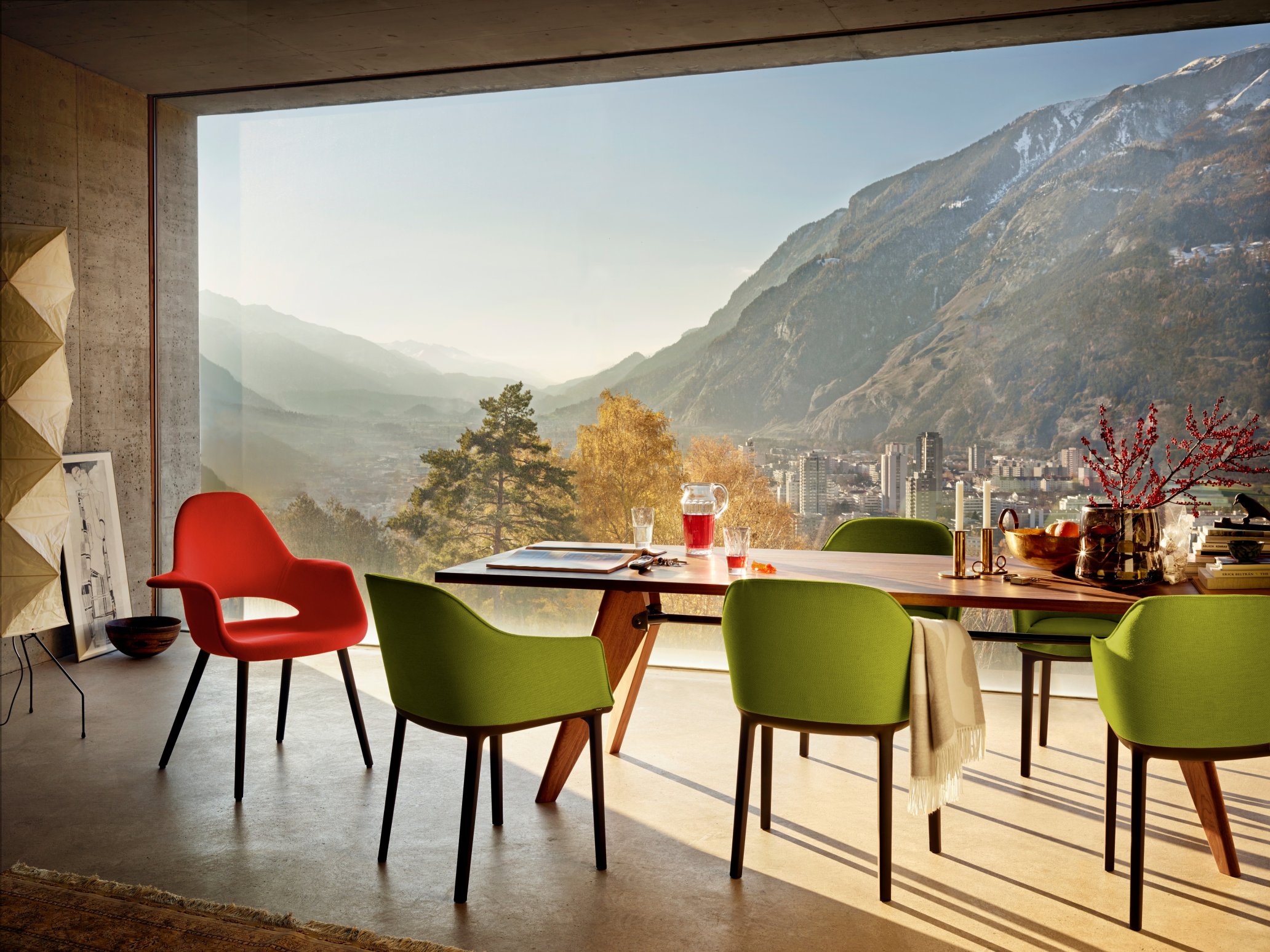
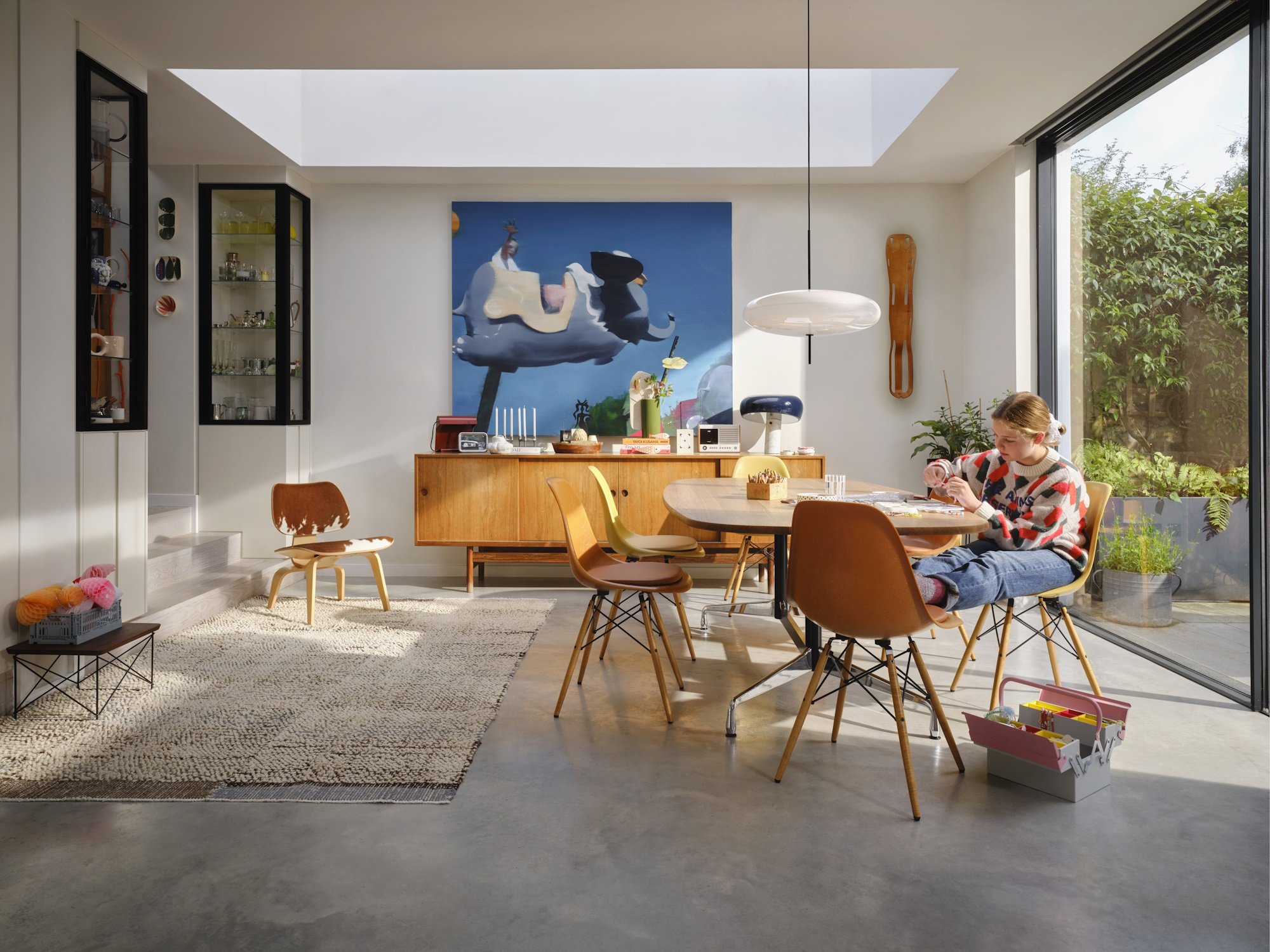
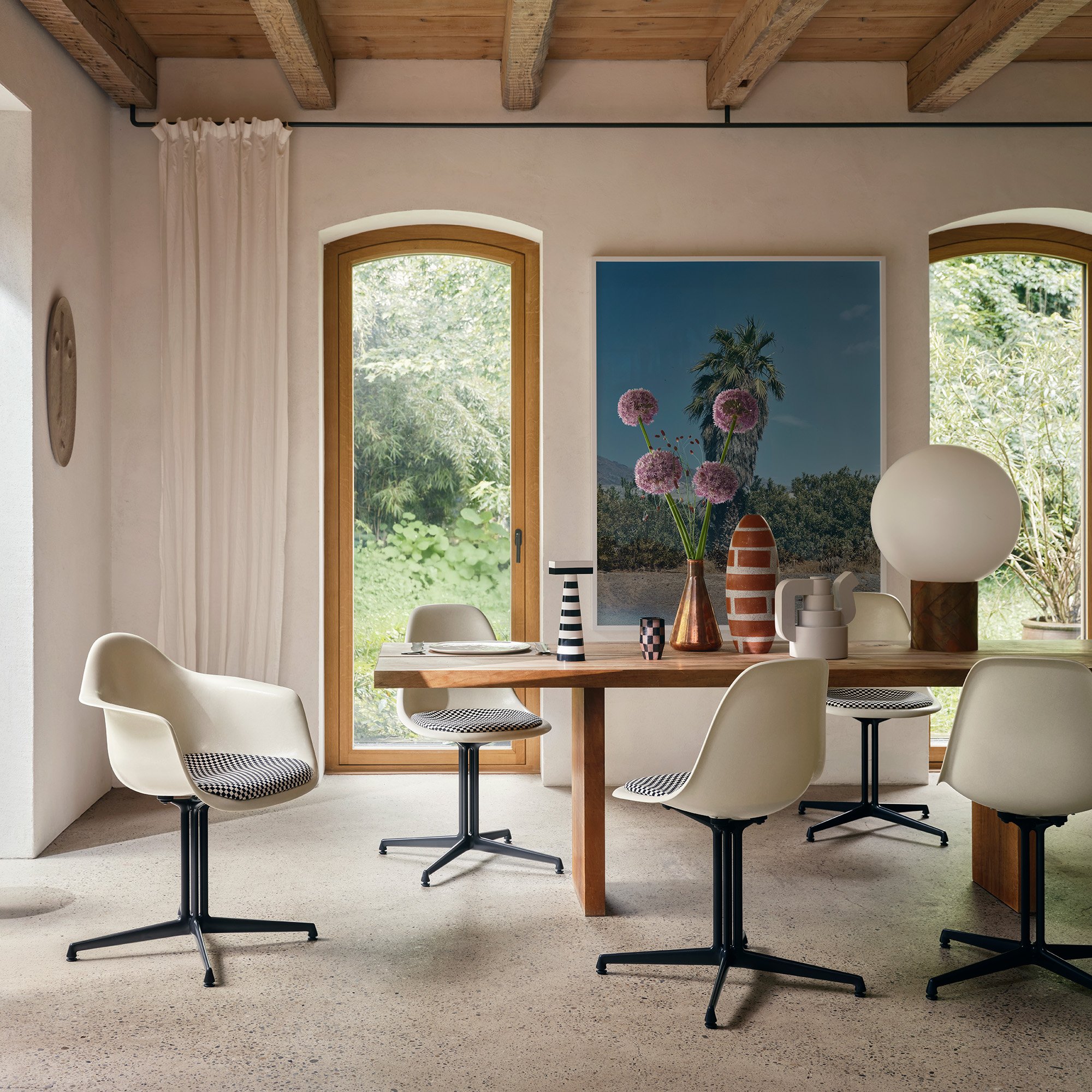
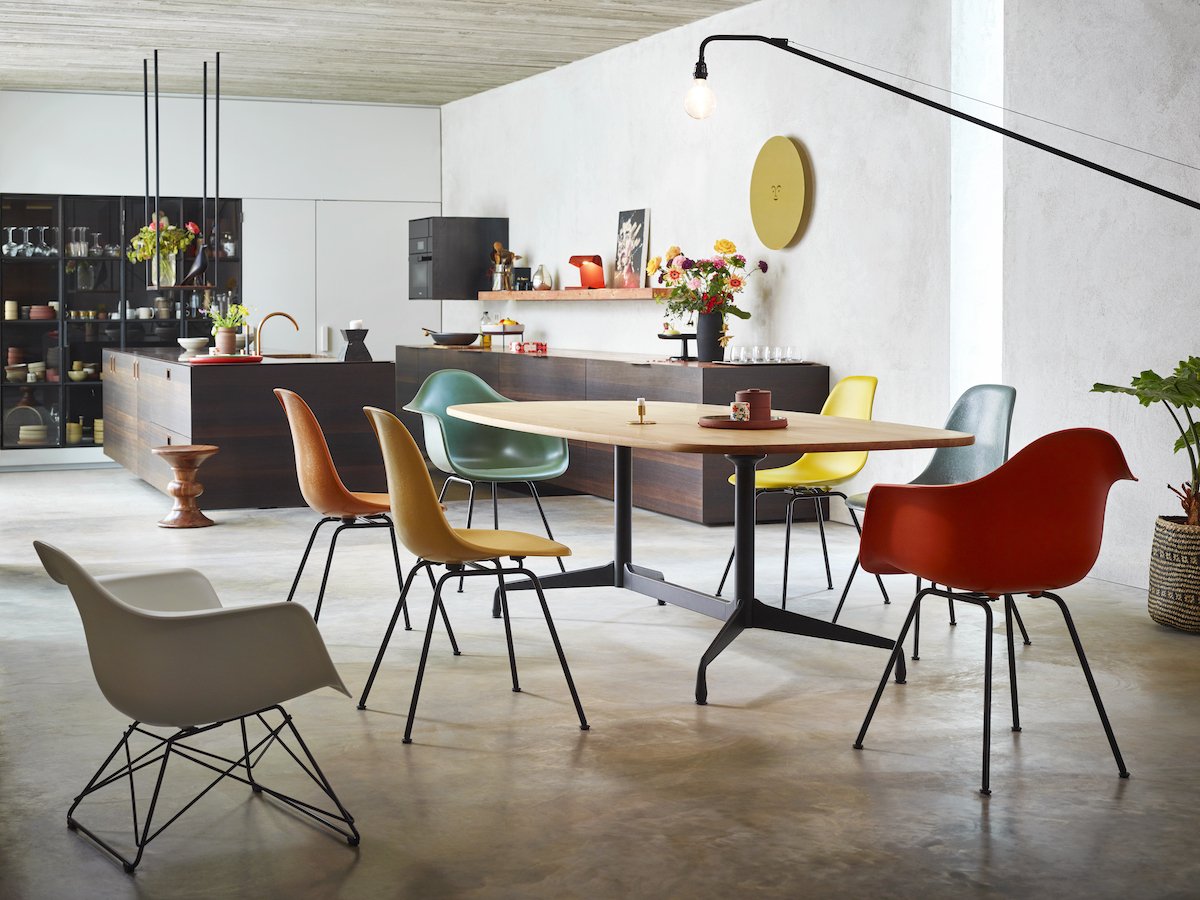
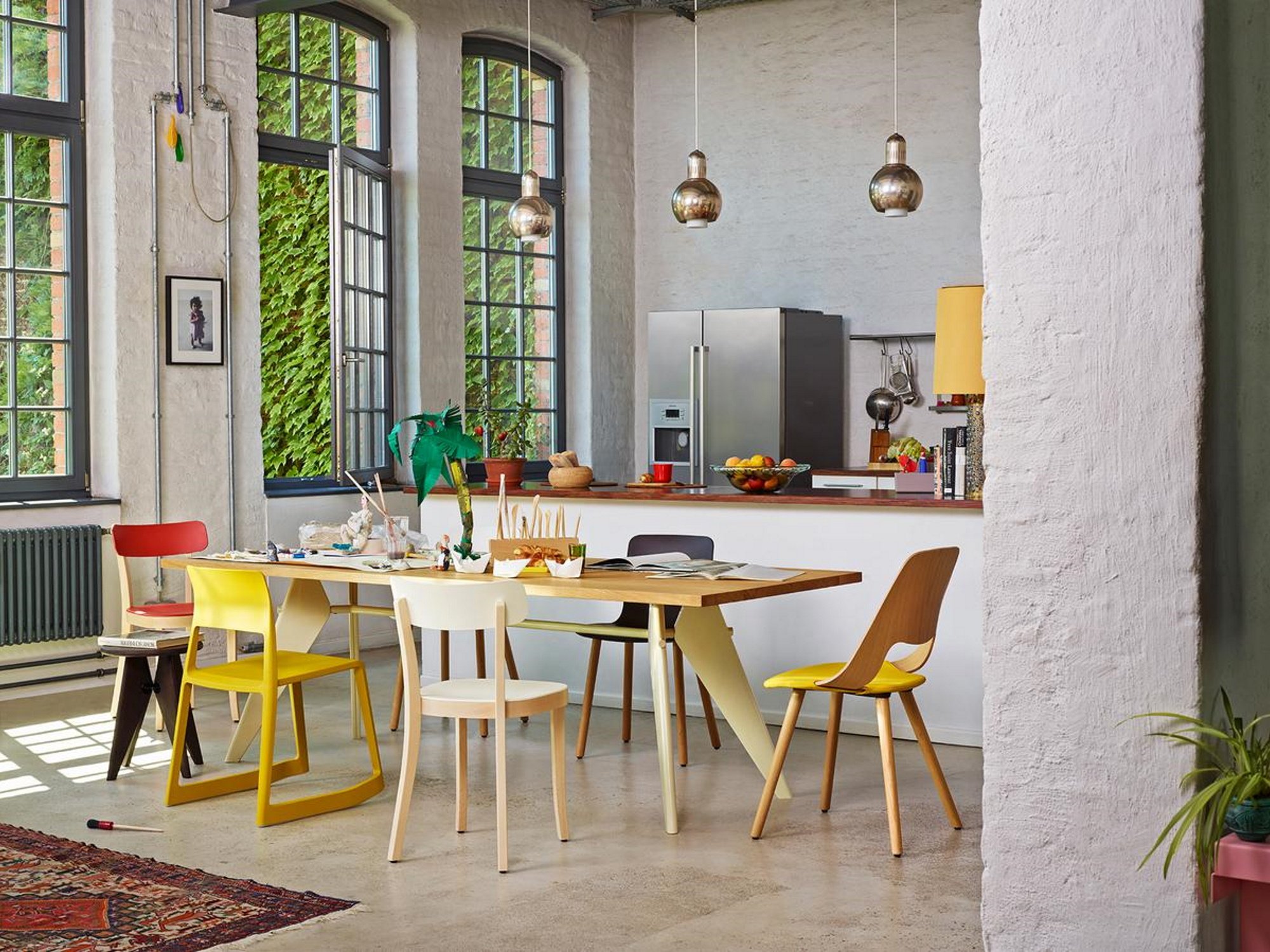
Vitra interiors featuring the Eames DSW Side Chairs and many other Eames designs

What makes Vitra furniture special

The Vitra portfolio does not adhere to a single design language. Instead, it brings together a variety of design approaches and combines design icons of mid-century design with innovative, contemporary designs. The distinctive style of each designer is always recognisable. Furthermore, Vitra continually refines its classics – for example, through new materials, Colours, variations and technical adaptations.

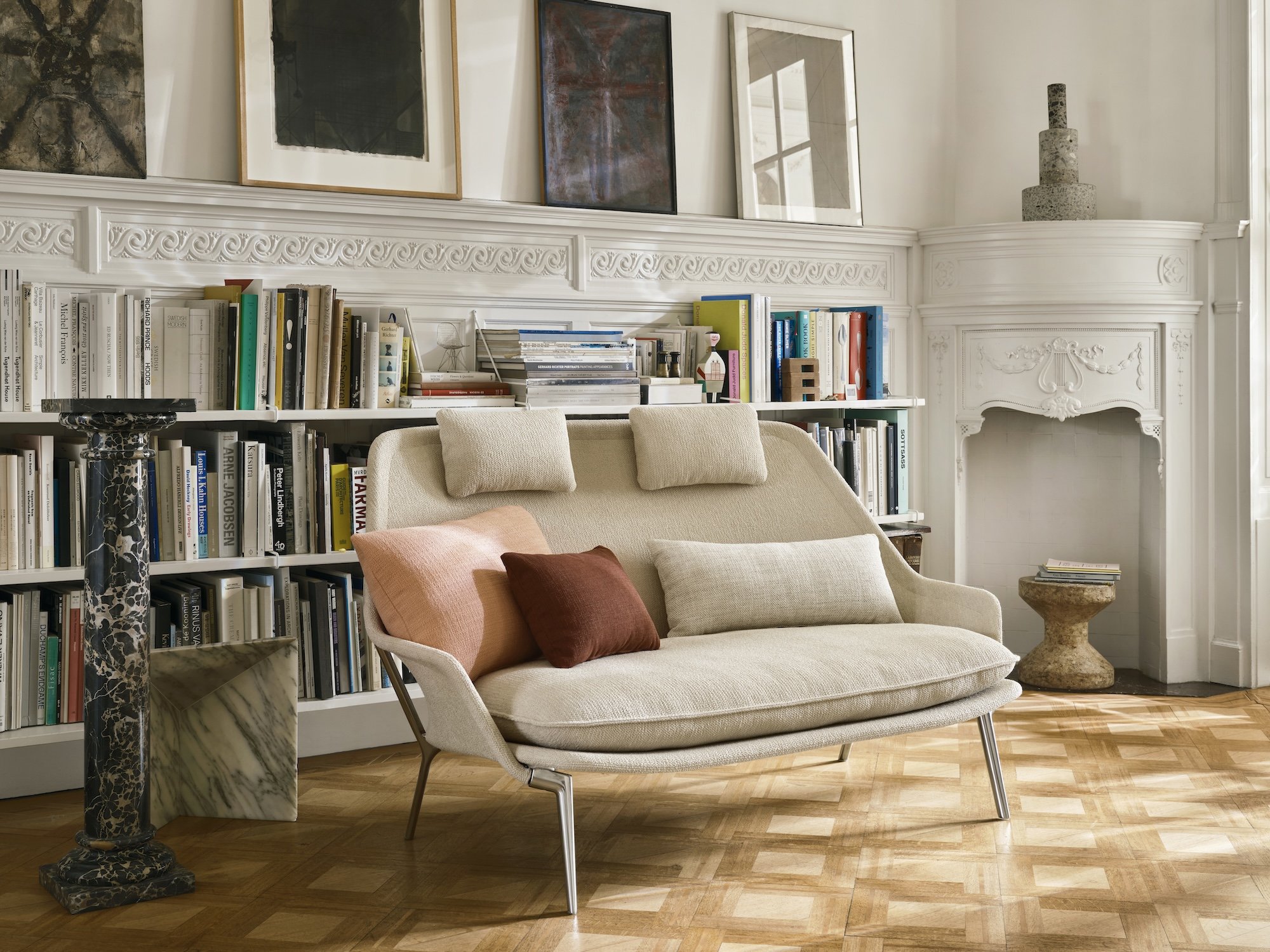
Innovative sofa design: the Slow Sofa by Ronan and Erwan Bouroullec

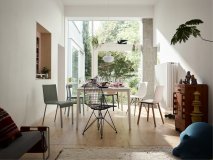
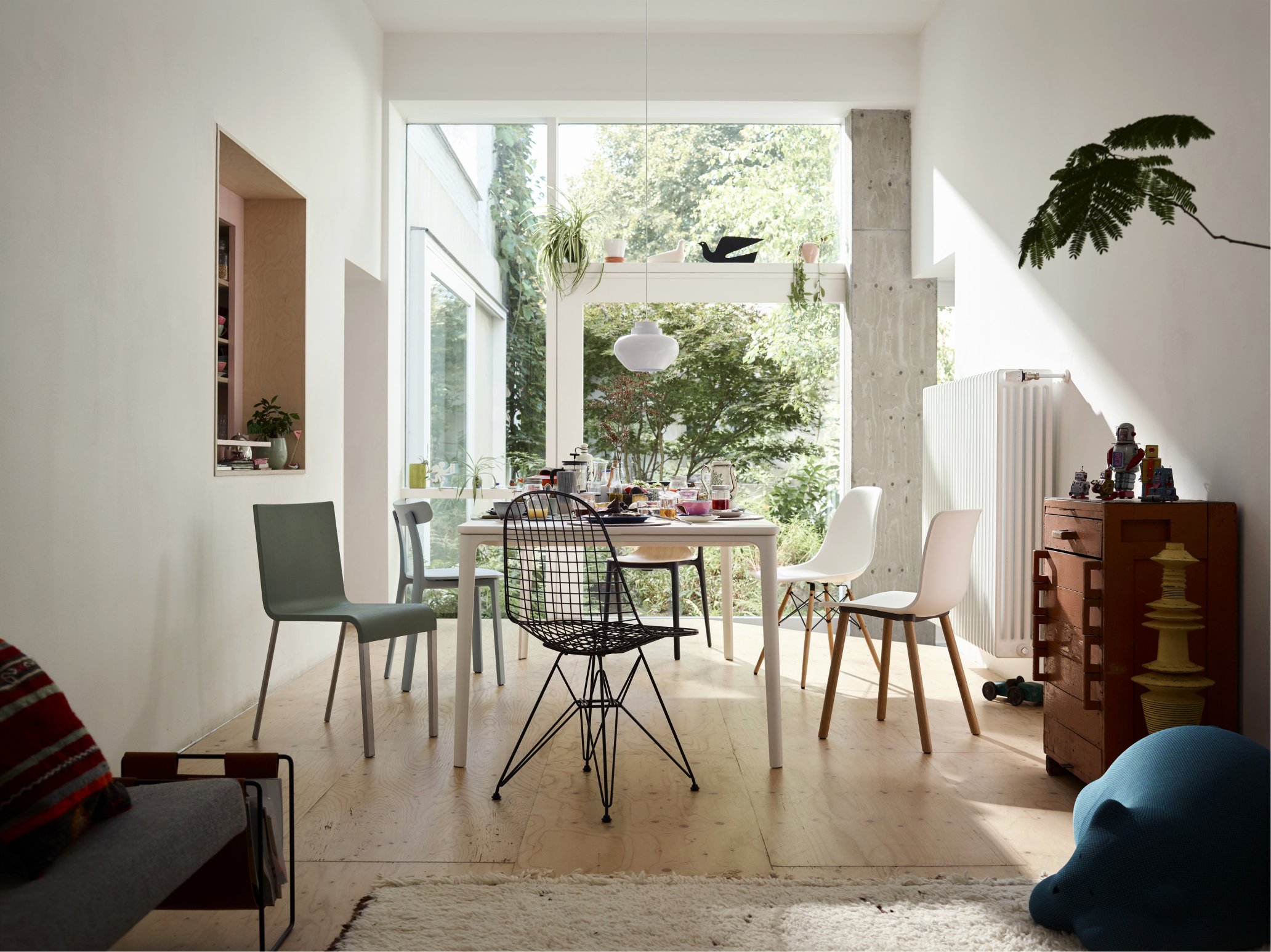
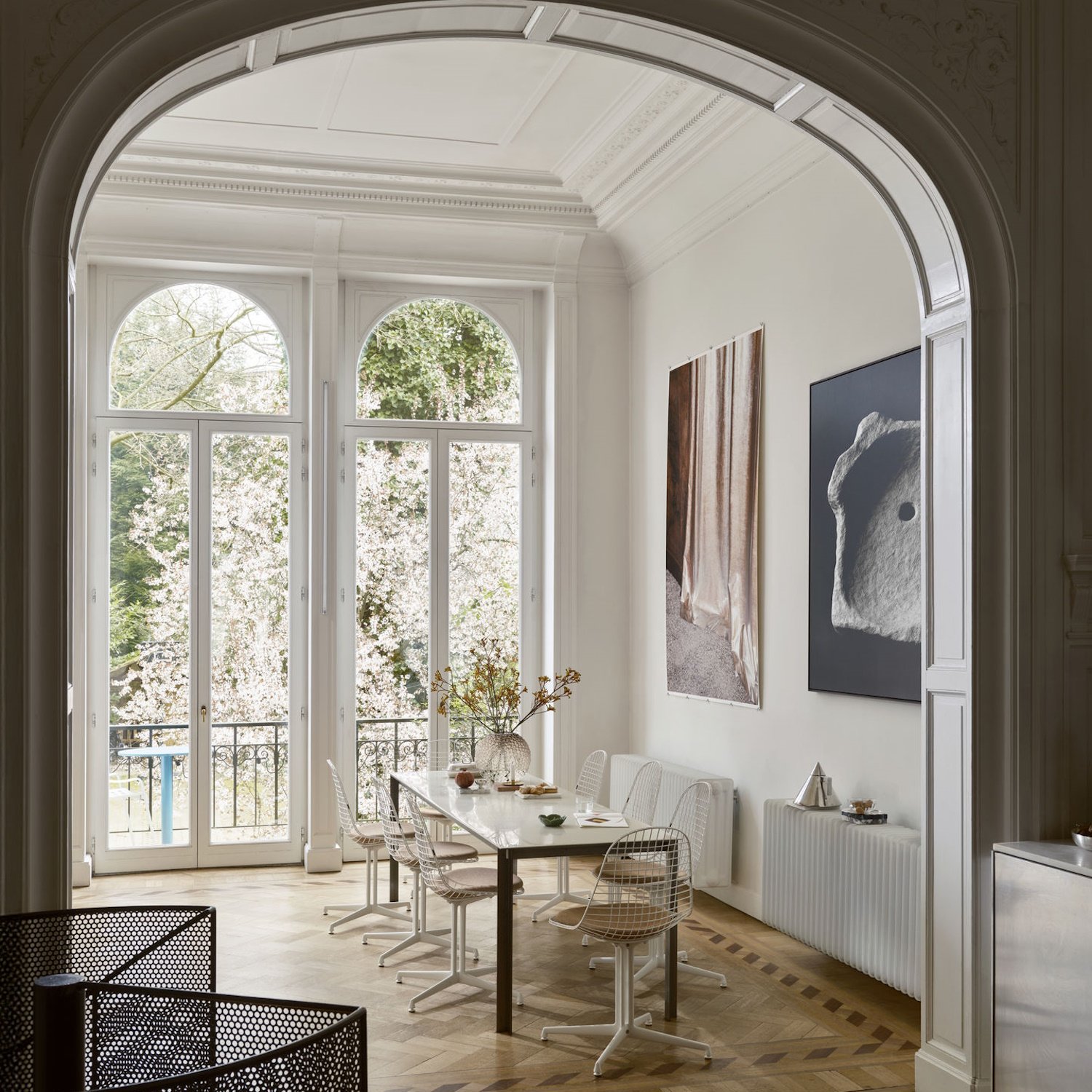
A light-filled dining room featuring the iconic DKL Wire Chairs by Charles and Ray Eames

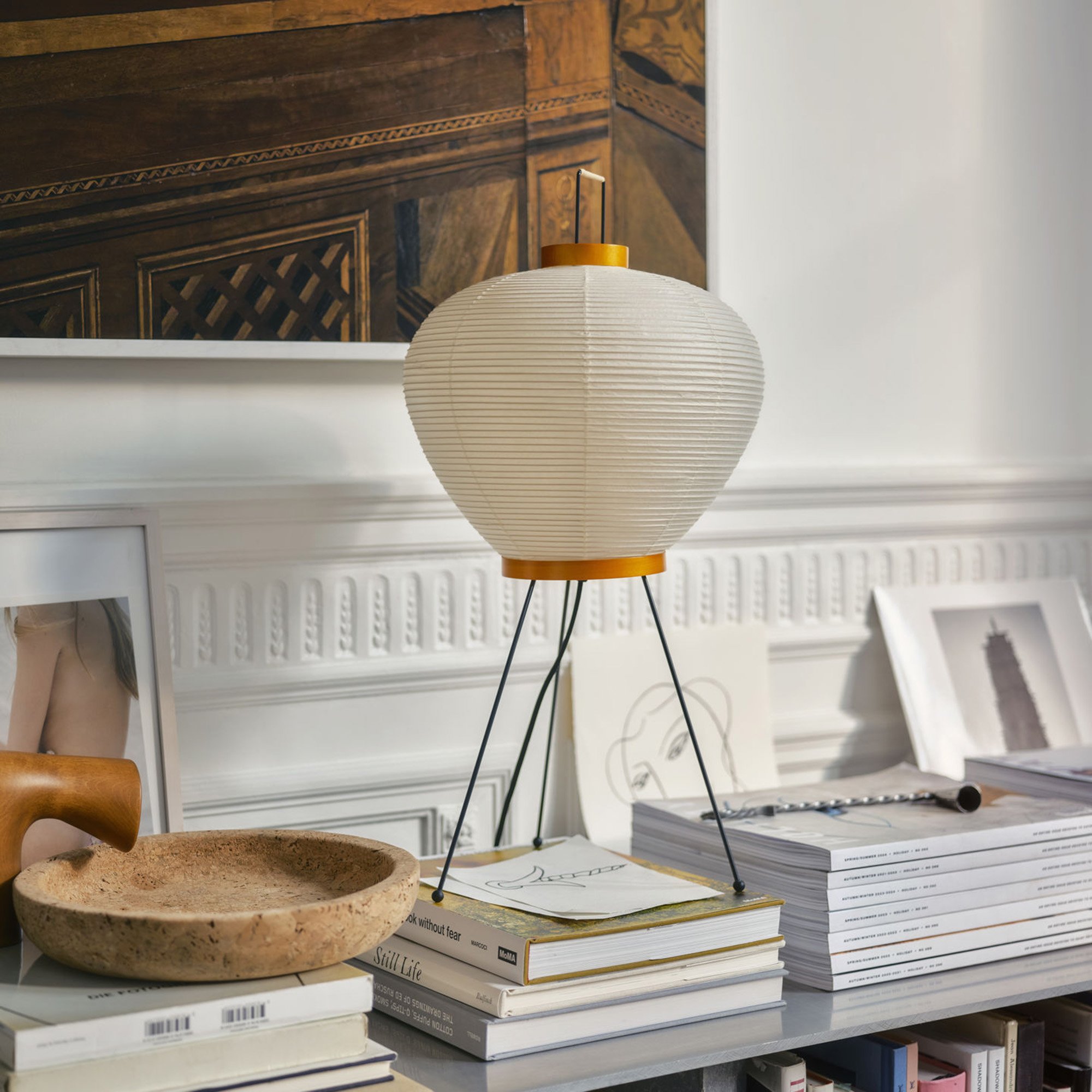
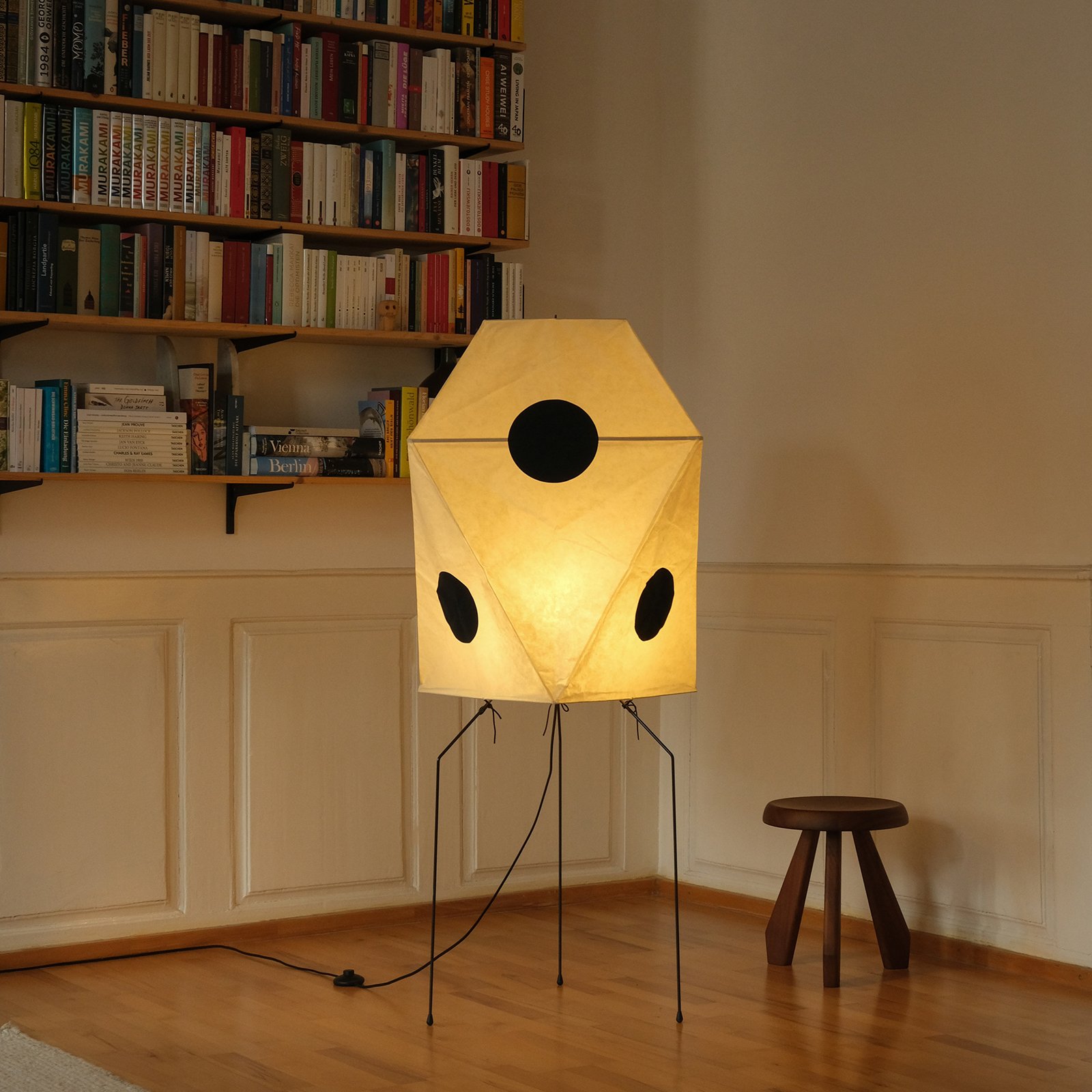
An unmistakable classic from Isamu Noguchi’s Akari collection: the Akari 3A

The Collage Principle: Vitra furniture for personalised living spaces

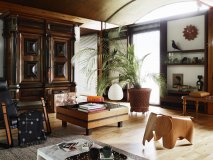
A central tenet of Vitra’s philosophy is the principle of collage. Living spaces do not feel lively and inviting because of a uniform style, but rather through the harmonious interplay of different pieces of furniture, materials, Colours and personal objects.

Vitra furniture can therefore blend naturally into established living spaces and help shape them – regardless of whether it is combined with vintage classics, works of art or personal mementos. However, it can also make a strong statement or become an eye-catcher.

The Vitra collection thus ranges from functional, adaptable all-rounders such as the furniture in the HAL collection to historic statement pieces such as the Heart Cone Chair by Verner Panton. It is precisely this breadth that makes Vitra furniture so versatile, enabling both well-thought-out interior design concepts and individual spaces that develop their own character over time.

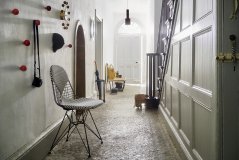
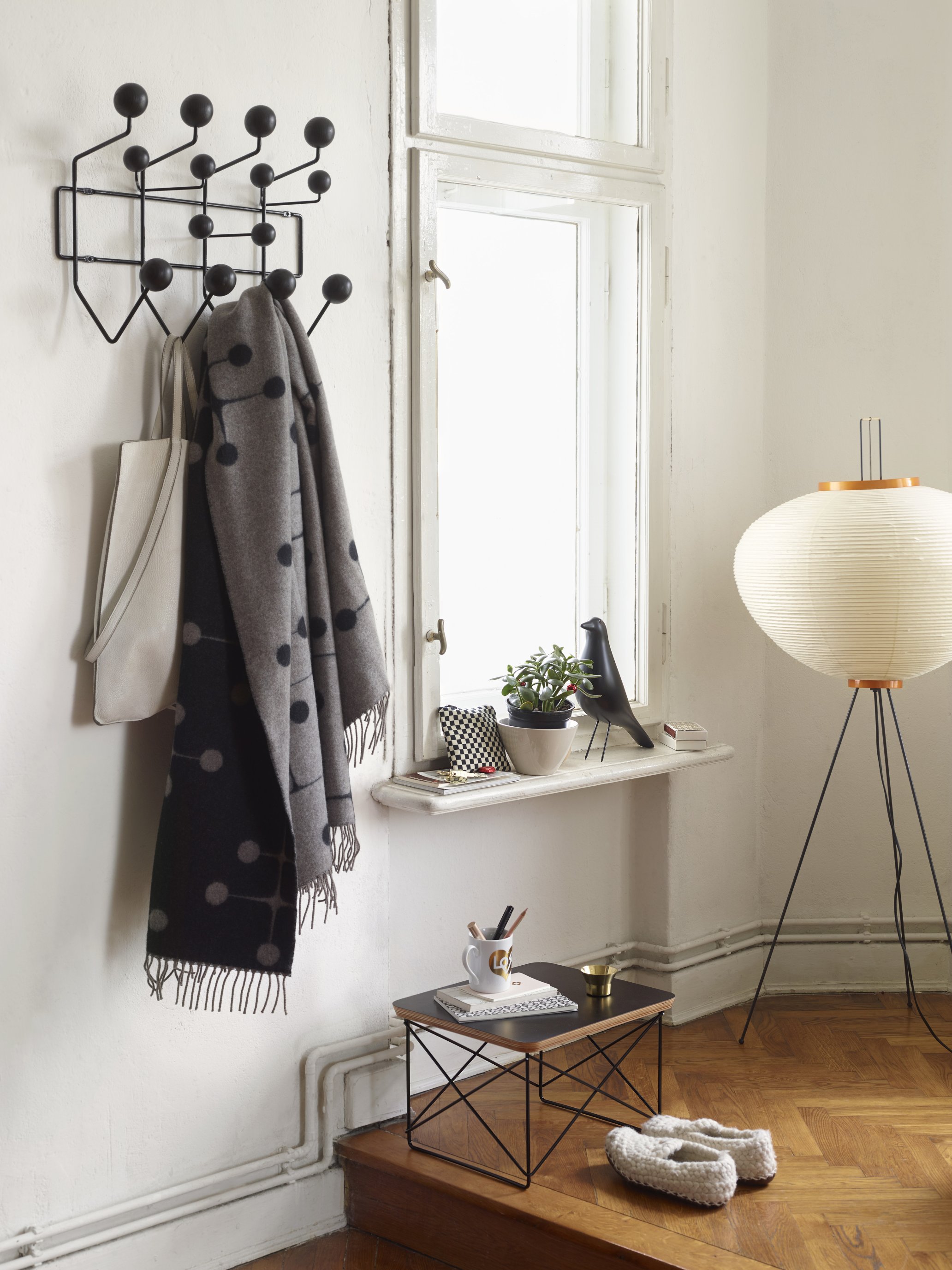
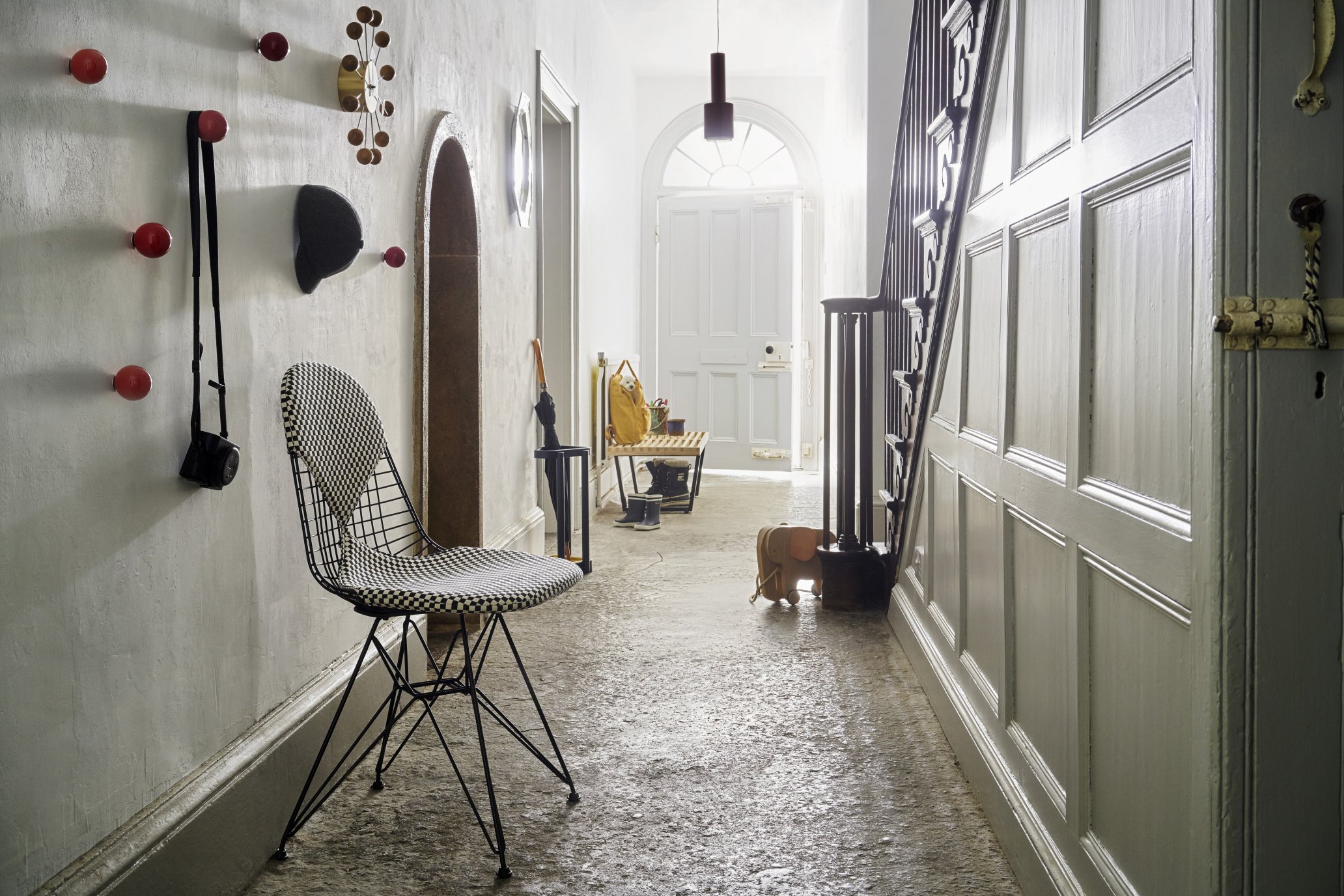
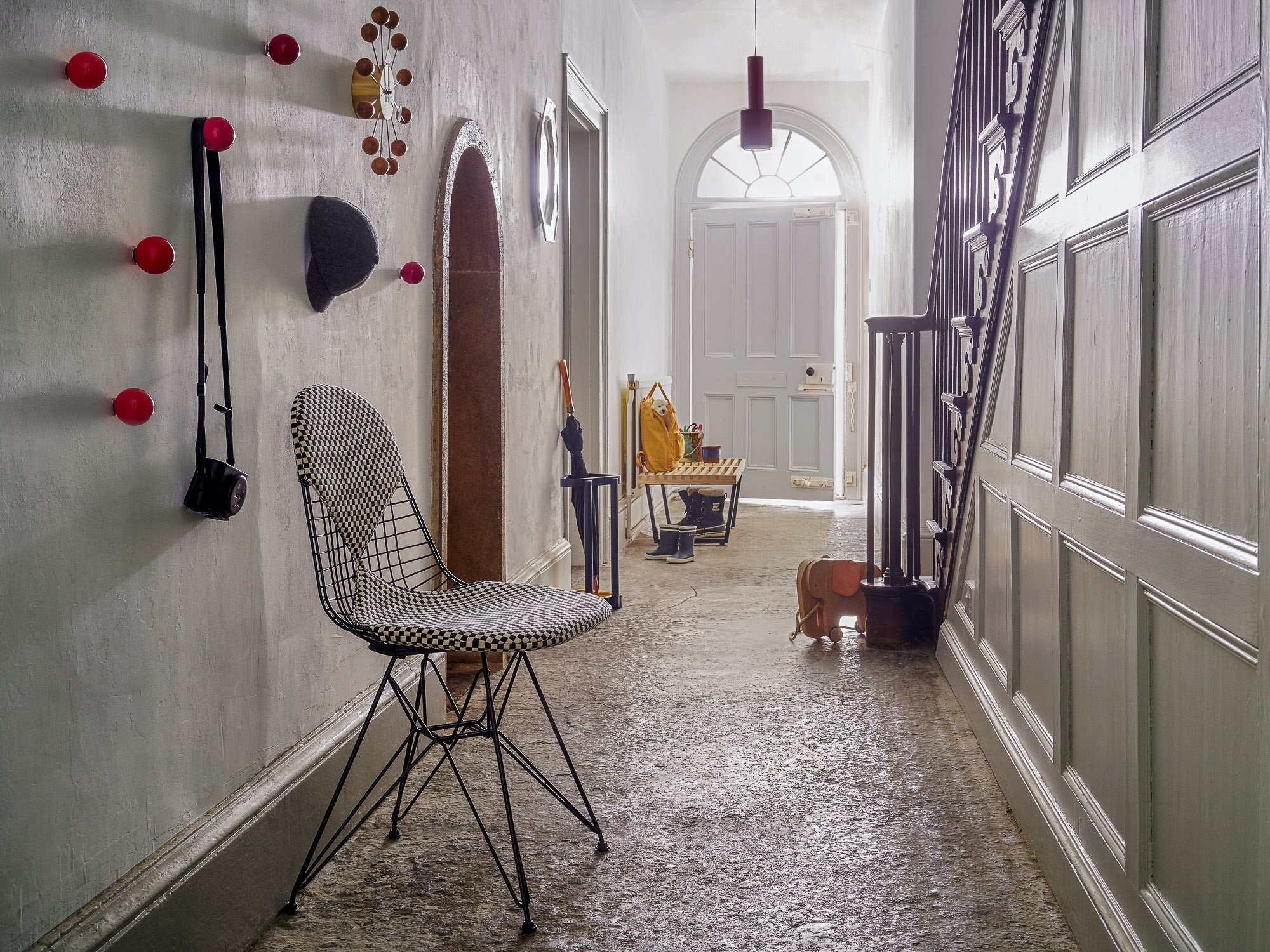
A free-spirited interplay of colours, shapes and materials – an entrance hall featuring Vitra furniture, accessories and the Wire Chair DKR

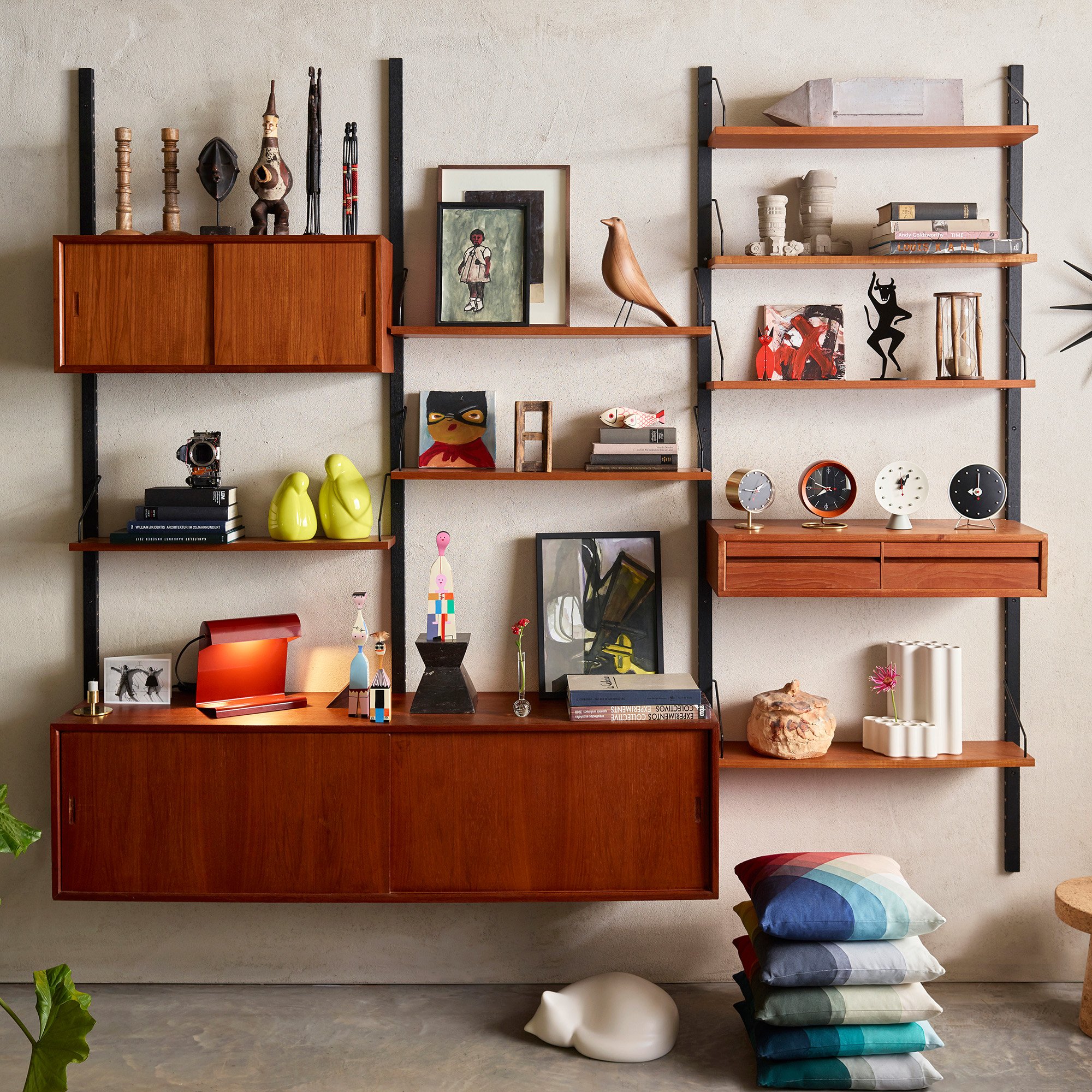
The Vitra accessories and the ‘Lampe de Bureau’ table lamp by Jean Prouvé form a harmonious whole with this vintage 1960s shelf

Sophisticated black-and-white contrasts characterise this dining room décor, featuring the Eames Plastic Side Chairs DSL

The History of Vitra: from the Eames to an international design brand

Vitra, a Swiss family-run business founded in 1950 by Willi and Erika Fehlbaum, initially specialised in shopfitting. During a trip to the USA in 1953, the company took a decisive turn: the Fehlbaums discovered furniture by Charles and Ray Eames in New York and decided to bring their designs to Europe. Following several years of negotiations, Vitra secured licences from Herman Miller in 1957 to manufacture and distribute Eames furniture in Europe and the Middle East. Added to this were the rights to designs by George Nelson, Alexander Girard and Isamu Noguchi – a milestone that had a lasting impact on Vitra’s development

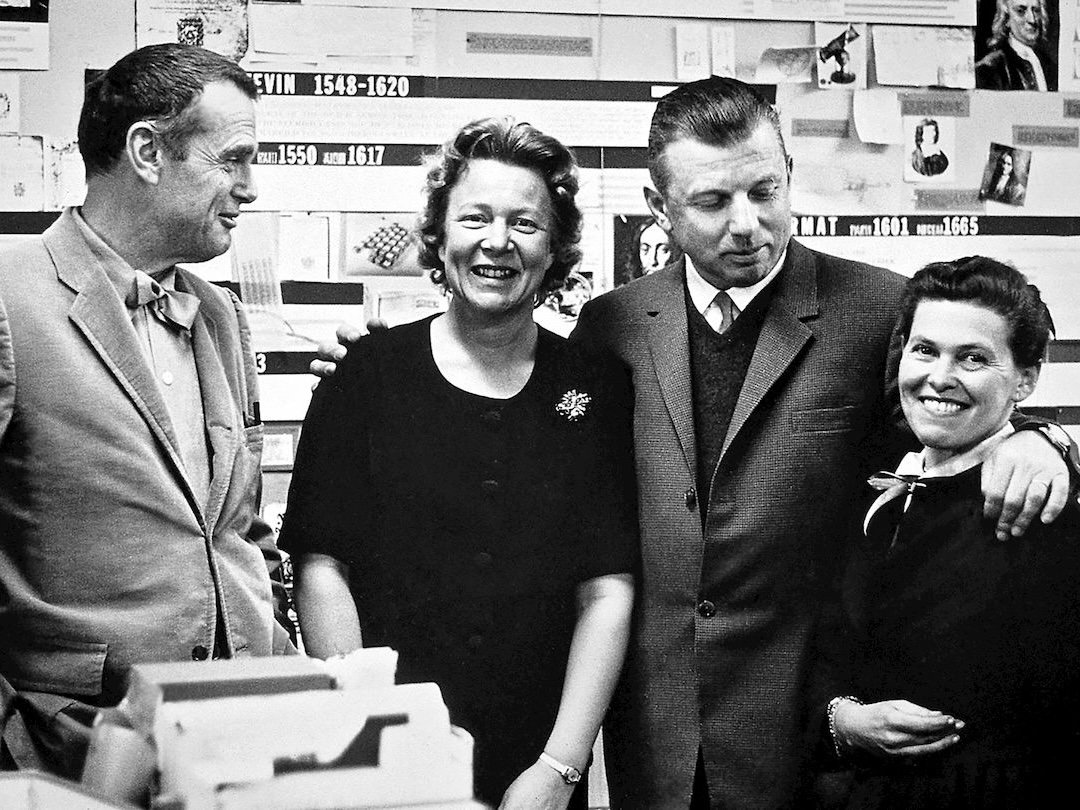
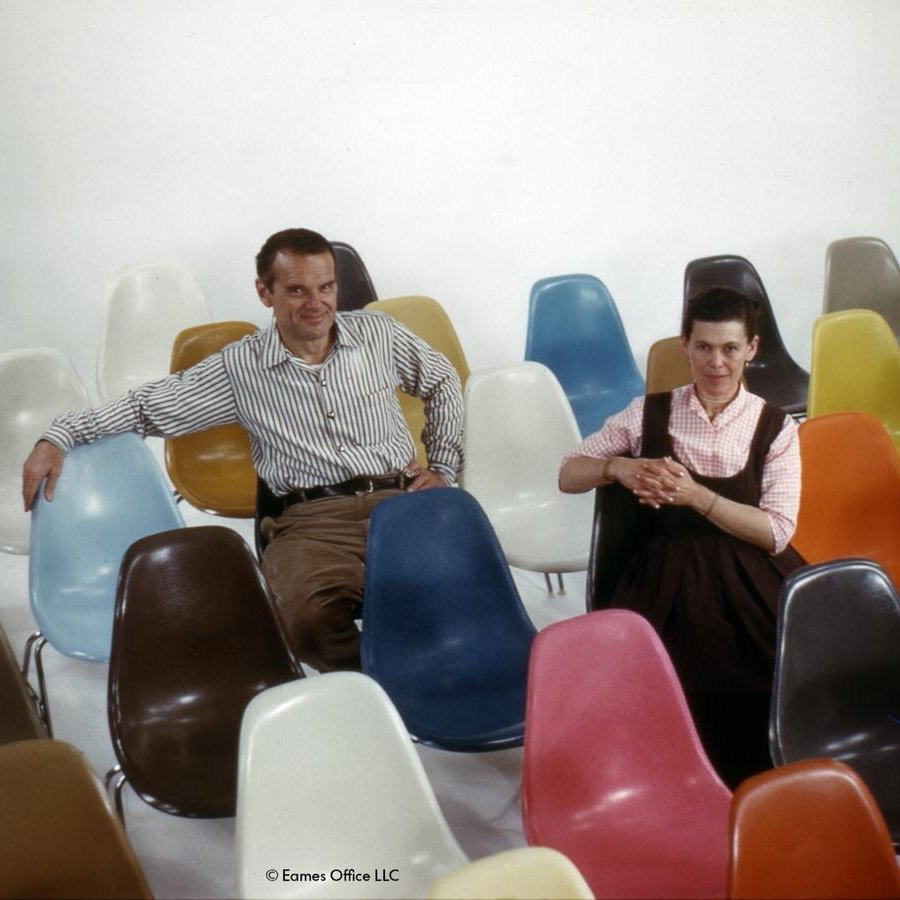
From left to right: Charles Eames, Erika and Willi Fehlbaum (founders of Vitra) and Ray Eames at the Eames Office, 1960s

Another turning point came in the early 1960s with the collaboration with Verner Panton. Following several years of development work, the two created the Panton Chair – the first cantilever chair made from a single piece of plastic and, at the same time, the first product developed entirely in-house by Vitra. The success of this design encouraged the company to enter into long-term partnerships with international designers.

In the decades that followed, Vitra developed into a defining brand in international furniture design. Designs by Jean Prouvé, Jasper Morrison, Antonio Citterio, Ronan and Erwan Bouroullec, Hella Jongerius and many other designers expanded the collection. Under the leadership of Rolf Fehlbaum, who took over the management of the company in 1977, the Vitra Design Museum and the Vitra Campus in Weil am Rhein were also established. The campus features buildings by architects such as Frank Gehry, Zaha Hadid, Tadao Ando and Herzog & de Meuron, which allow visitors to experience the connection between design and architecture first-hand. To this day, Vitra continues to bring together furniture design, architecture and culture at this location, thereby seeing itself as much more than just a furniture manufacturer.

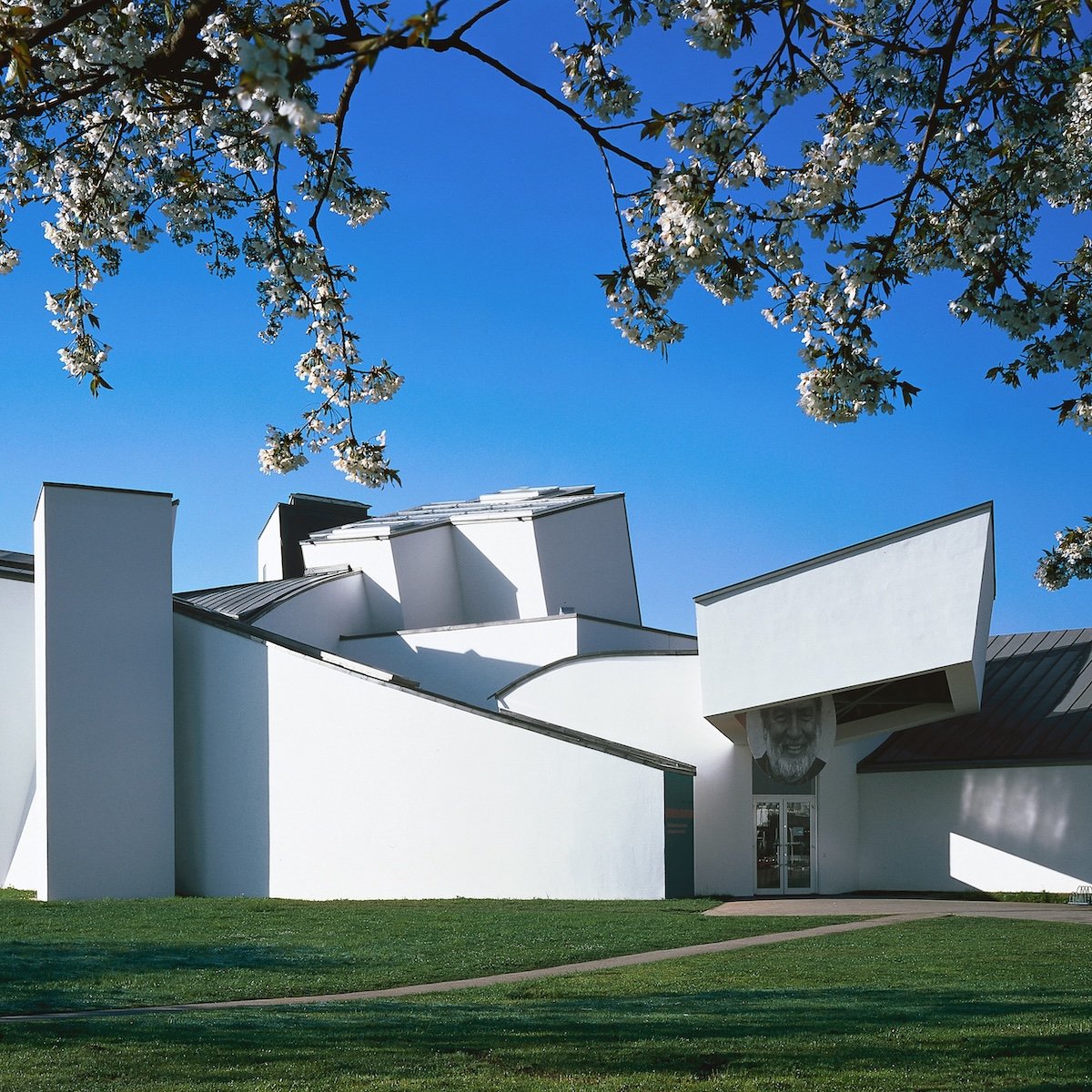
Front view of the Vitra Design Museum, designed by the American architect Frank O. Gehry

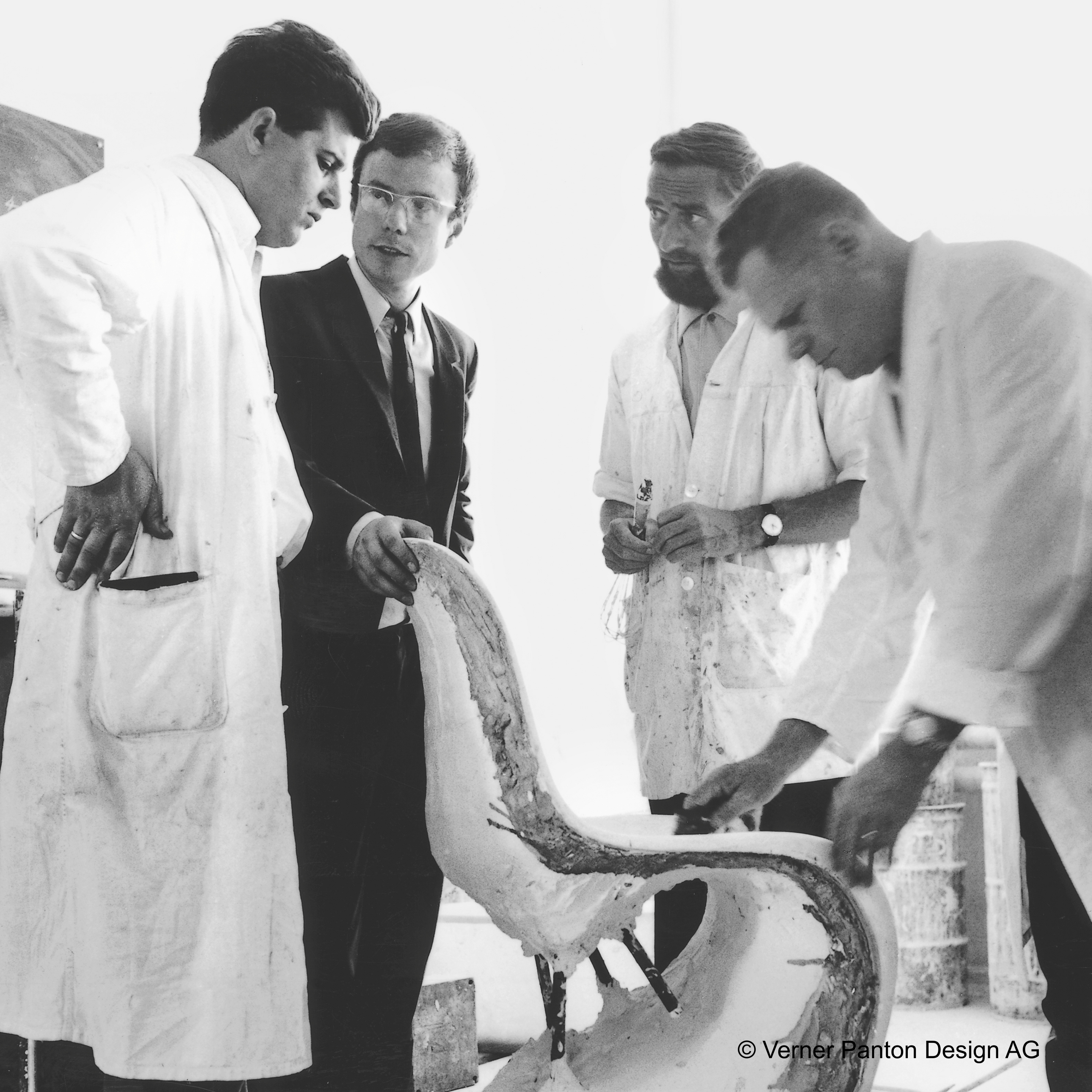
A revolutionary design put to the test: Verner Panton (centre right) and Rolf Fehlbaum (in a suit) working on the Panton Chair (1958–1967)

Vitra classics and contemporary design

Icons of design history

Many Vitra pieces of furniture are integral parts of modern design history. They stand the test of time because their design does not follow short-lived trends, but is based on a carefully considered symbiosis of form, function and quality. Some of the collection’s most influential designs demonstrate how this philosophy plays out in practice:

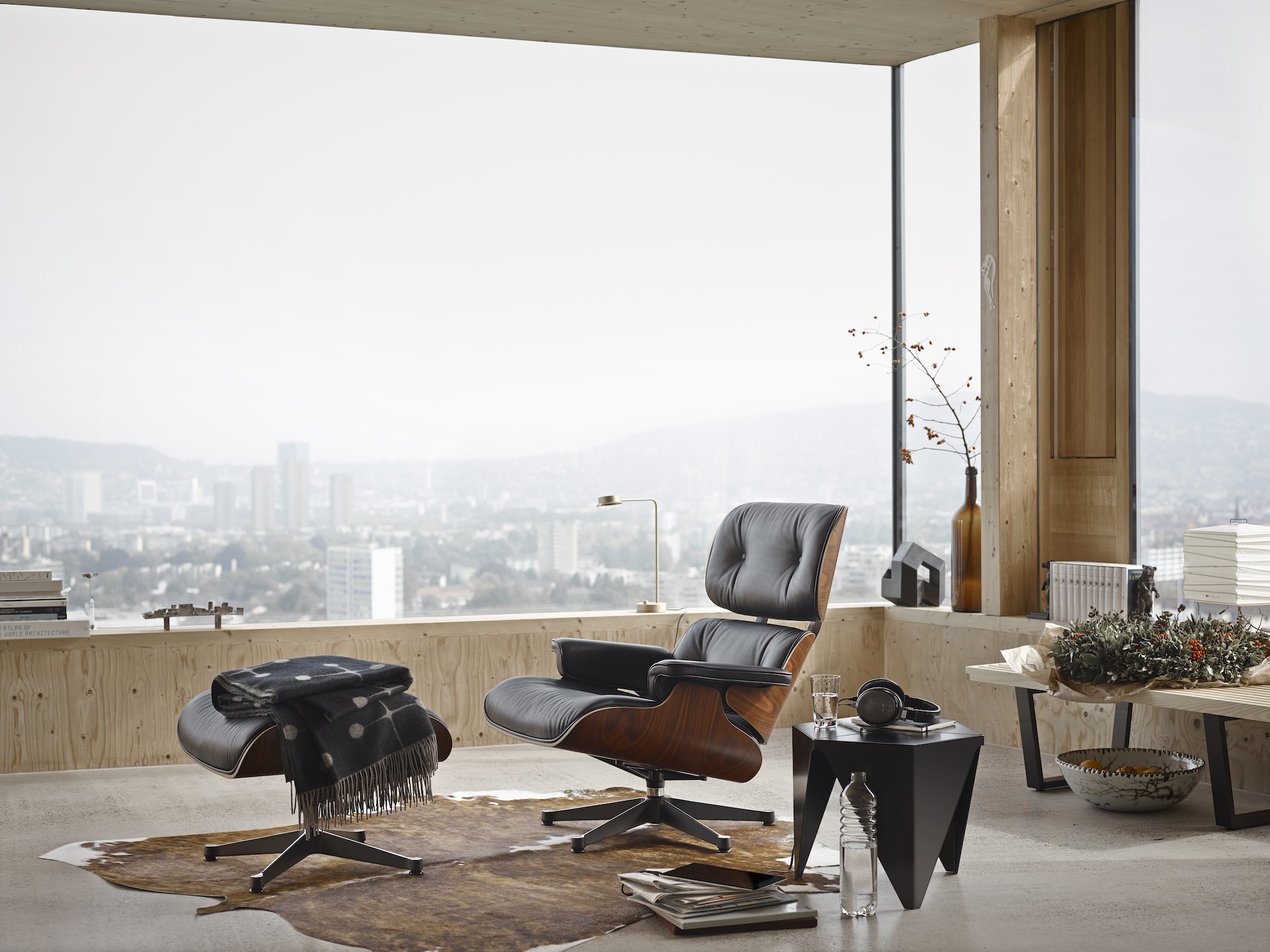
The Eames Lounge Chair (1956) by Charles and Ray Eames is one of the world’s most famous armchairs. With its combination of moulded plywood, leather and ergonomic comfort, it blends technical innovation with the aim of creating an elegant, personal retreat.

The Panton Chair by Verner Panton revolutionised the world of furniture in 1967: as the first cantilever chair made from a single piece of plastic, the design demonstrates Vitra’s courage in pushing technological boundaries.

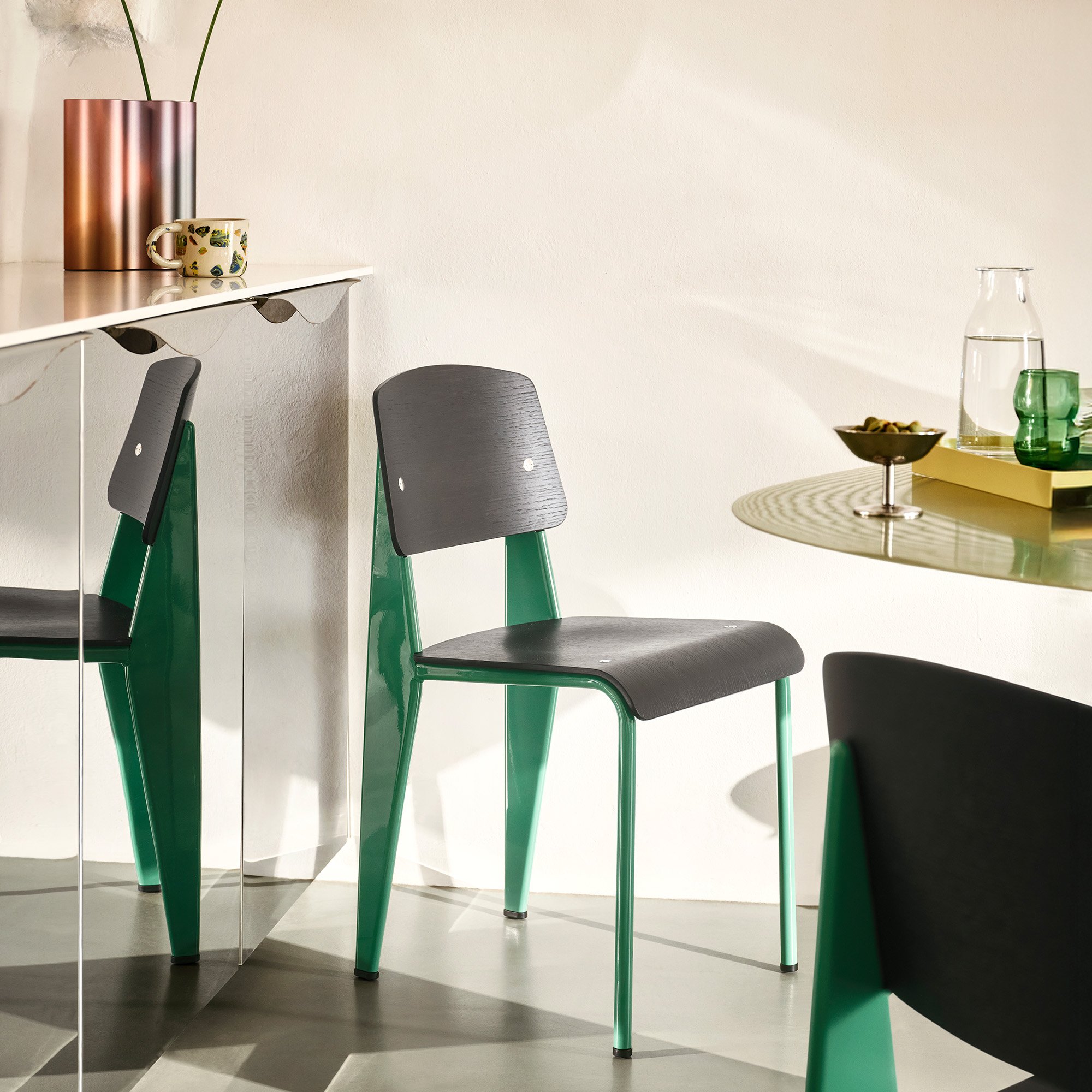
The Standard Chair (1934) by Jean Prouvé illustrates the designer’s structural approach, in which structural integrity dictates the design – areas subject to particular stress are specifically reinforced and become defining design elements.

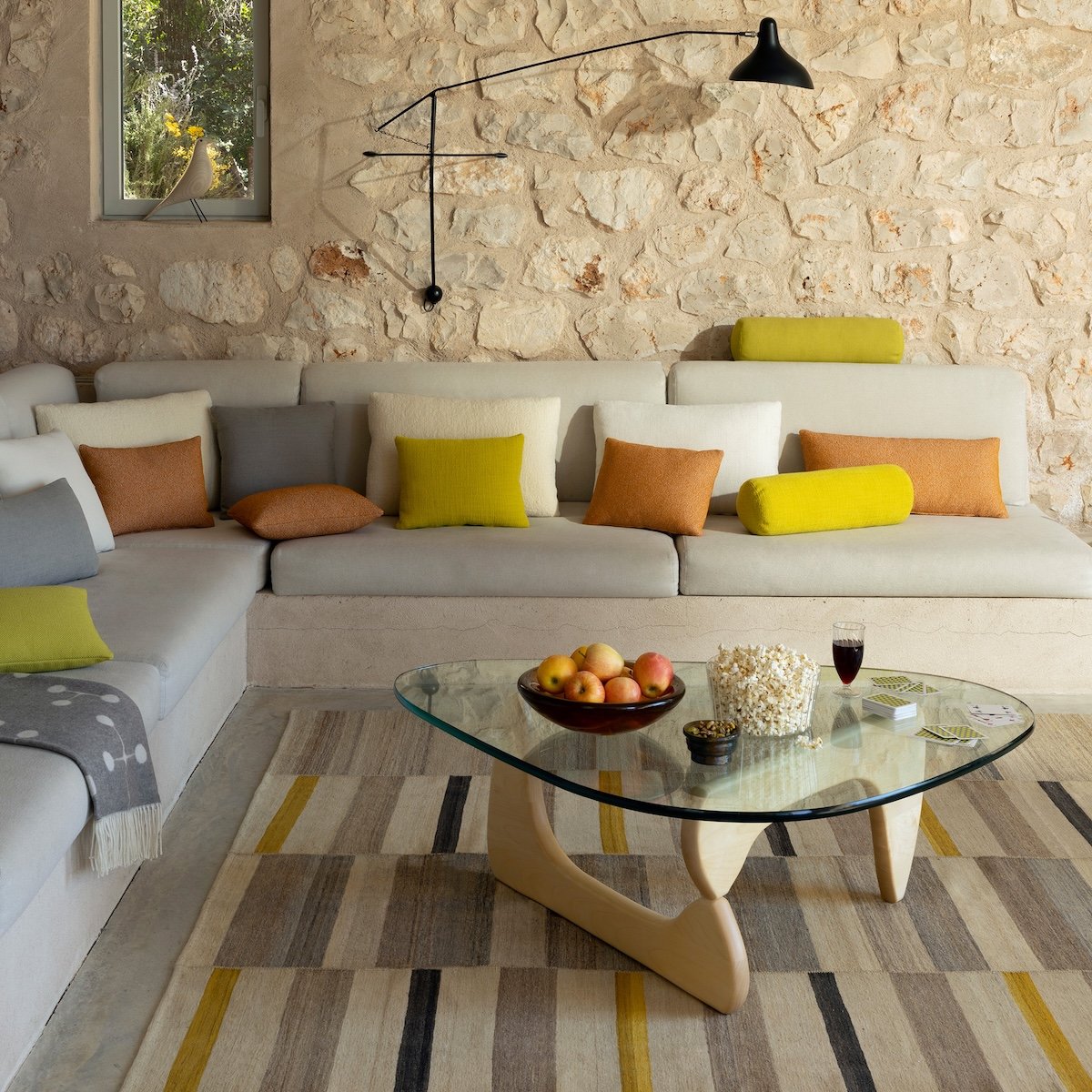
The Noguchi Coffee Table (1944), on the other hand, blends furniture design and sculpture and exemplifies the artistic flair within the range.

Eames Lounge Chair & Ottoman (1956) – Vitra design classics by Charles and Ray Eames

Noguchi Coffee Table (1944) – A sculptural coffee table by Isamu Noguchi

Standard Chair (1934/1950) – An iconic design by Jean Prouvé

New designs with a long-term perspective

Alongside original historical pieces, Vitra continually produces new furniture developed in collaboration with contemporary designers. The following examples illustrate what this ongoing development looks like:

The Tip Ton by Edward Barber and Jay Osgerby reinterprets the classic plastic chair: its forward-leaning seat position allows for dynamic, ergonomic sitting.

The Mariposa Sofa – also designed by Barber and Osgerby – offers the highest level of comfort thanks to its soft upholstery. A concealed mechanism allows the armrests and backrest to be adjusted to any angle – a functional flexibility that gave the design its name (Spanish for ‘butterfly’).

The Mynt Chair by Konstantin Grcic, on the other hand, embodies contemporary innovation: its minimalist design language and resource-efficient construction demonstrate how Vitra combines aesthetic excellence with modern sustainability principles.

The Belleville Collection by Ronan and Erwan Bouroullec – comprising chairs and tables – impresses with its elegant lines and, depending on the variant, is suitable for both indoor and outdoor use.

These designs prove that Vitra not only preserves design history but also continues the tradition of innovative and distinctive furniture.

With its adjustable backrest and armrests, the Mariposa sofa by Edward Barber & Jay Osgerby combines flexibility with a high level of comfort. The movable backrest sections are reminiscent of a butterfly’s wings – ‘Mariposa’ is the Spanish word for butterfly

The Mynt chair by Vitra in the kitchen – an organically shaped seat shell meets a delicate, flexible frame

Tip Ton by Vitra – the striking plastic chair with an innovative forward tilt for dynamic sitting

Vitra furniture for the home, the workplace and outdoor spaces

The Vitra collection comprises furniture and accessories for various areas of life – from the private living space and the dining room to the modern workplace. What all the designs have in common is the aim to combine functionality, comfort and distinctive design.

Living room: lounge chairs, sofas and tables

The living room illustrates particularly well how Vitra approaches interior design: the furniture is not merely comfortable, but also makes a clear statement in the room thanks to its striking form.

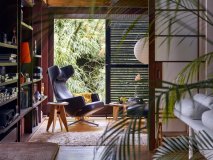
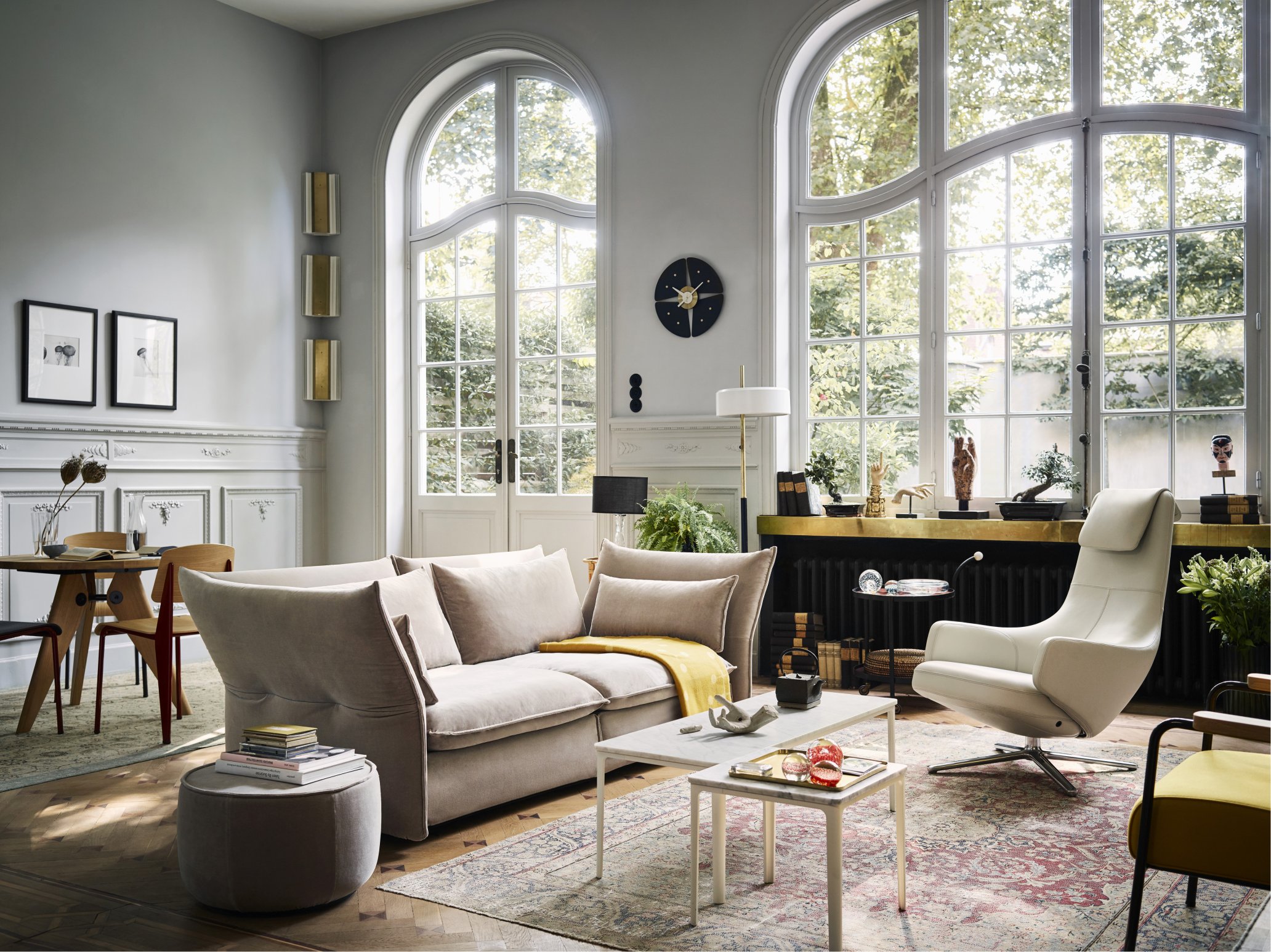
Lounge furniture such as the Eames Lounge Chair or Antonio Citterio’s Grand Repos are specifically designed for quiet, relaxed seating. The Alcove Sofa by Ronan and Erwan Bouroullec takes this idea a step further: its high, upholstered sides shield the user from prying eyes and noise, thereby creating a sheltered space within the room. Tables such as Isamu Noguchi’s Coffee Table or Jean Prouvé’s wooden Guéridon complete the ensembles with their own unique, unmistakable designs.
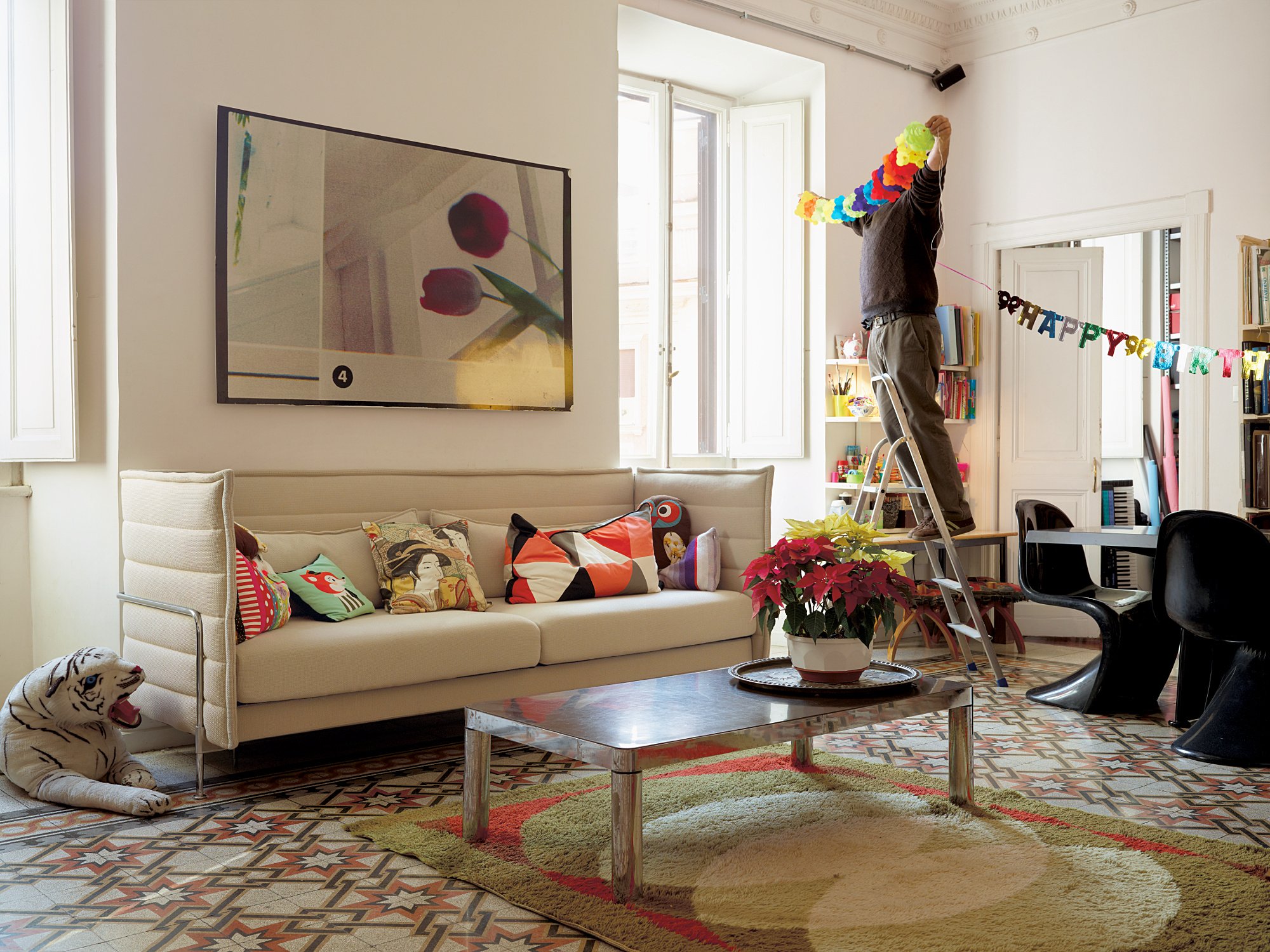
The Alcove Sofa creates a cosy retreat with generous upholstery and high, enveloping side and back panels

Dining room: Vitra chairs with a design heritage

Vitra Dining Chairs are among the brand’s best-known products and showcase the diversity of different design approaches. Models such as the Eames Plastic Chair, the Standard Chair or the HAL Chair combine high levels of seating comfort with timeless design.

Thanks to a range of colours, materials and variants, Vitra chairs can be combined in countless ways – from modern dining areas to classic interiors. It is precisely this versatility that embodies Vitra’s ‘collage’ principle, in which different designs, materials and styles come together to create individual living spaces.
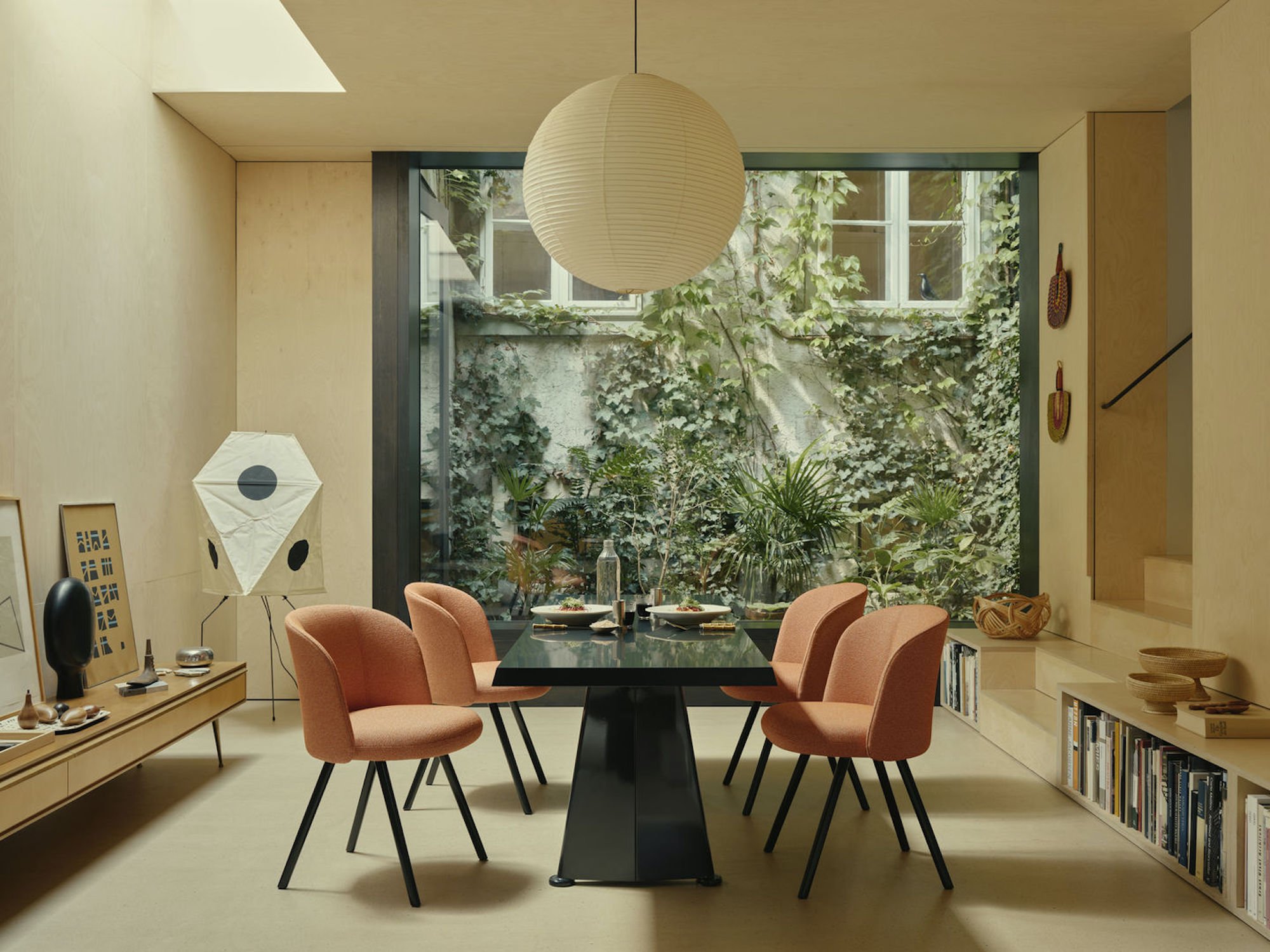
Enhance your home and quality of life with the elegant Mikado dining chairs from Vitra

Home office: Ergonomic Vitra office furniture

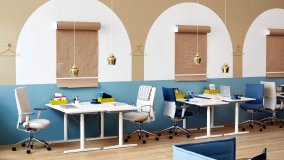
The boundaries between home and work are becoming increasingly blurred. Vitra develops office furniture that combines ergonomic requirements with high-quality design and performs equally well in professional working environments and in the private home office.

Office chairs such as the ID Chair, Physix, Mynt or Rookie promote healthy sitting and offer solutions for a variety of working requirements. In doing so, Vitra aims to make workspaces not only more functional, but also more comfortable and personalised.
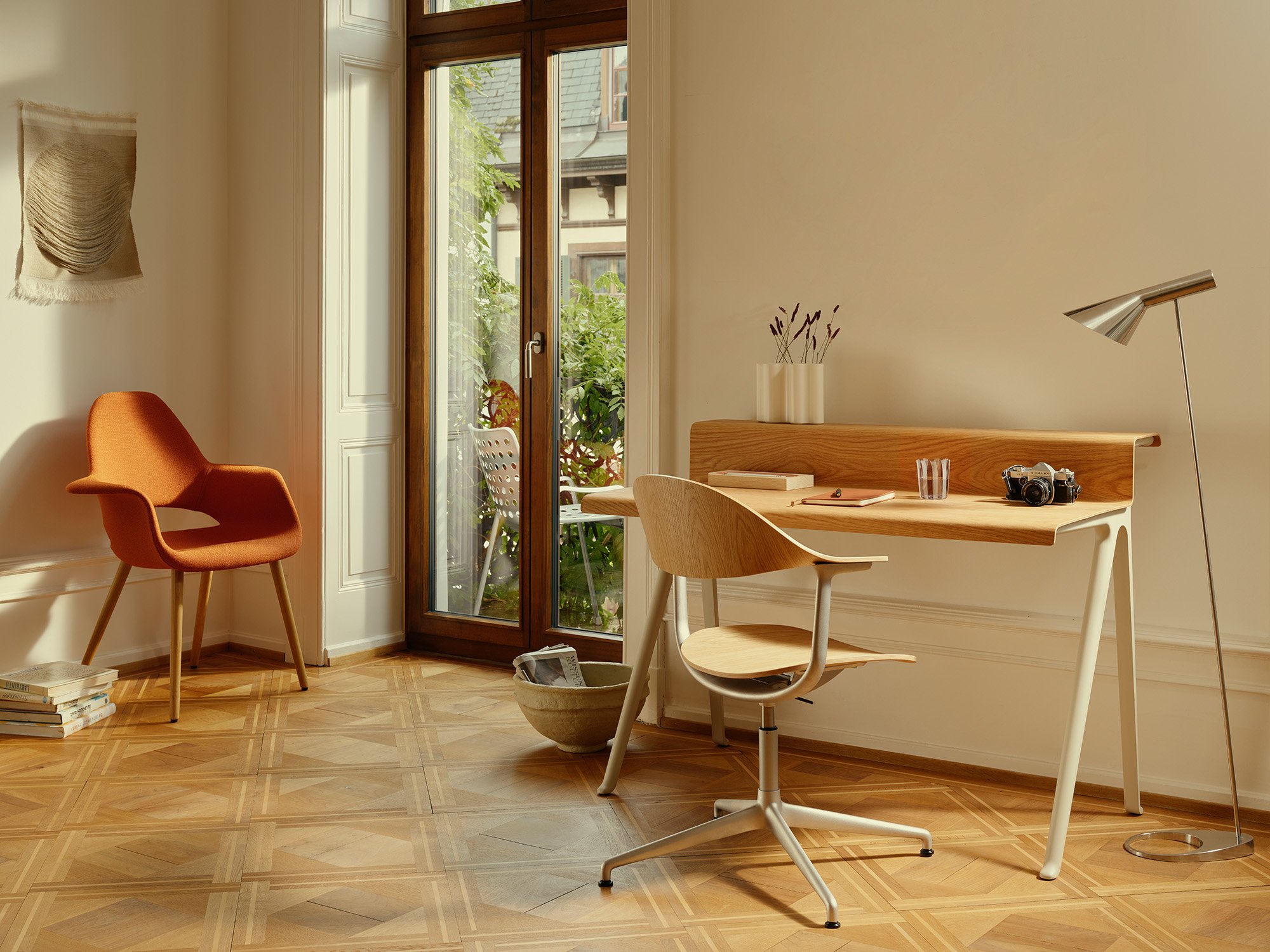
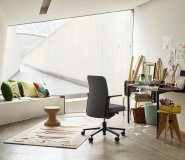
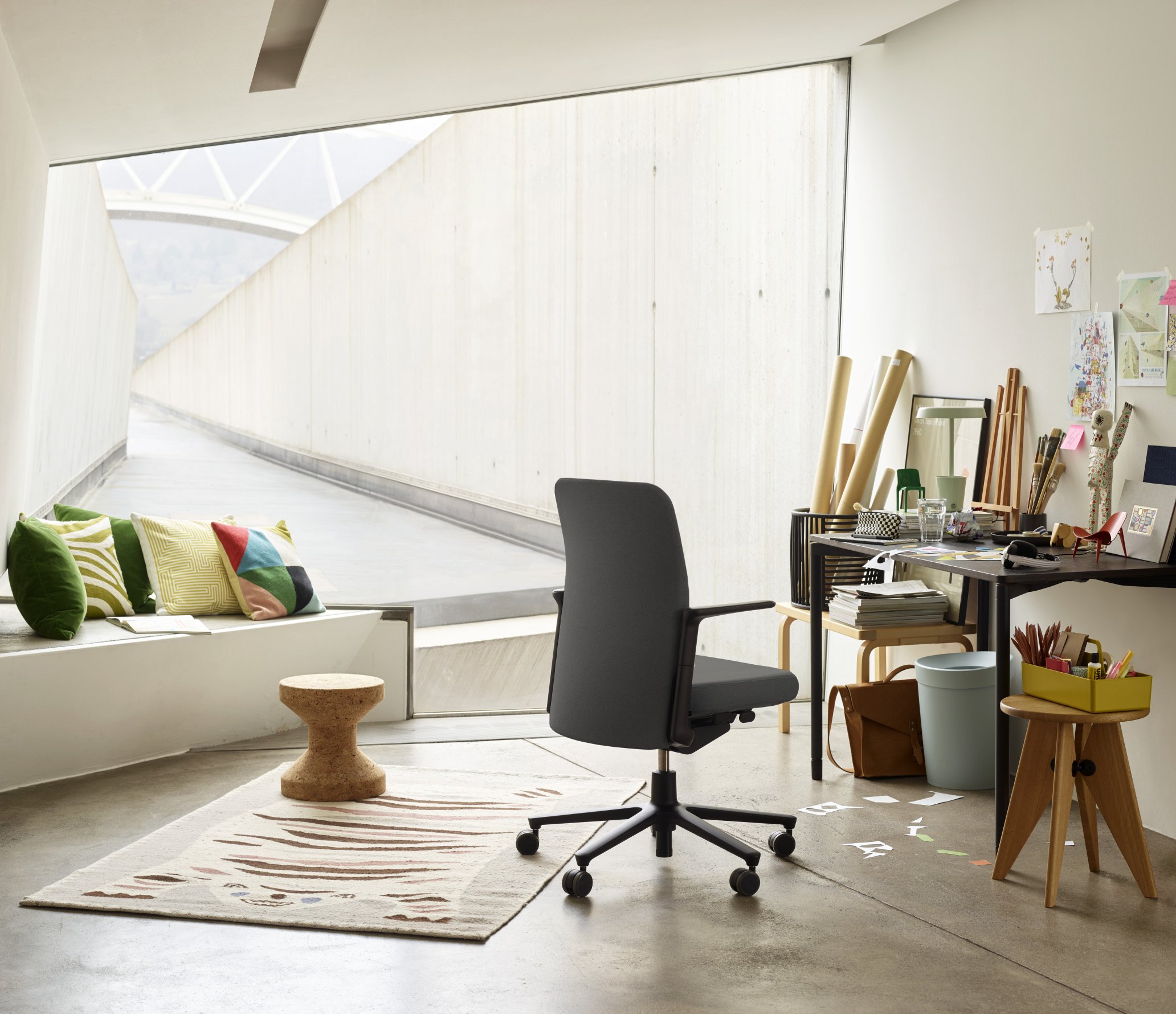
The Courier desk and the Mynt chair – with or without castors – enhance any (home) office environment

Accessories: Small designs with a big impact

As well as furniture, the Vitra collection includes numerous design objects for everyday life. Vitra Accessories such as the Eames House Bird, the Wooden Dolls, Uten.Silo, Rotary Tray or the Toolbox combine practical functions with distinctive design.

These smaller designs demonstrate that, at Vitra, design is not limited to large pieces of furniture, but also enriches everyday life and personal spaces.
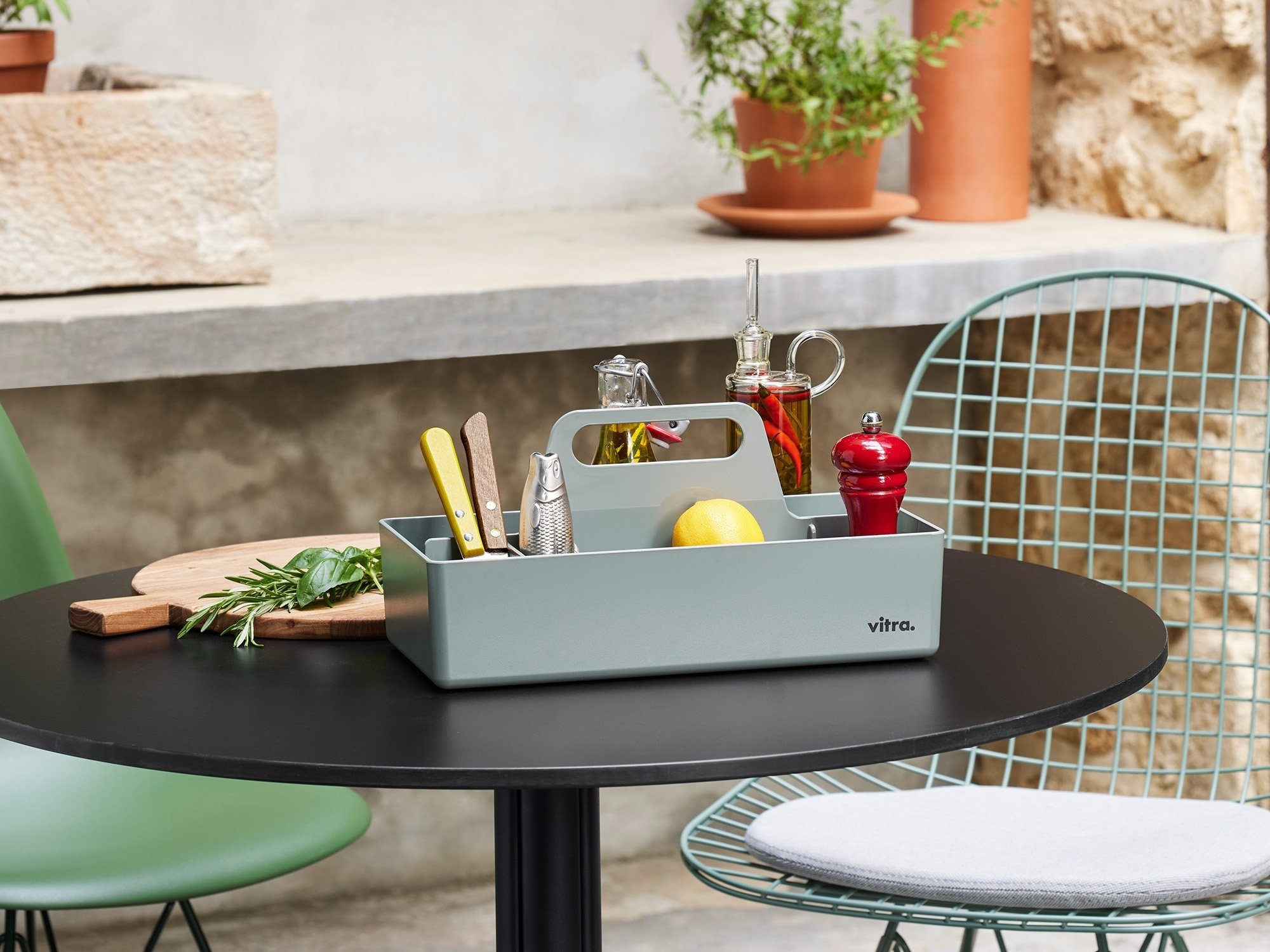
Toolbox by Vitra – a practical organisation aid and portable storage solution for the office and home

Outdoor: Vitra design for the garden and balcony

Vitra also offers outdoor furniture that continues the brand’s characteristic design ethos. Designs such as the Panton Chair or the Belleville series bring their clean, minimalist aesthetic to patios, balconies and gardens.

In doing so, the Vitra’s outdoor products from Vitra combine weather-resistant materials with the timeless design for which the brand has been renowned for decades.
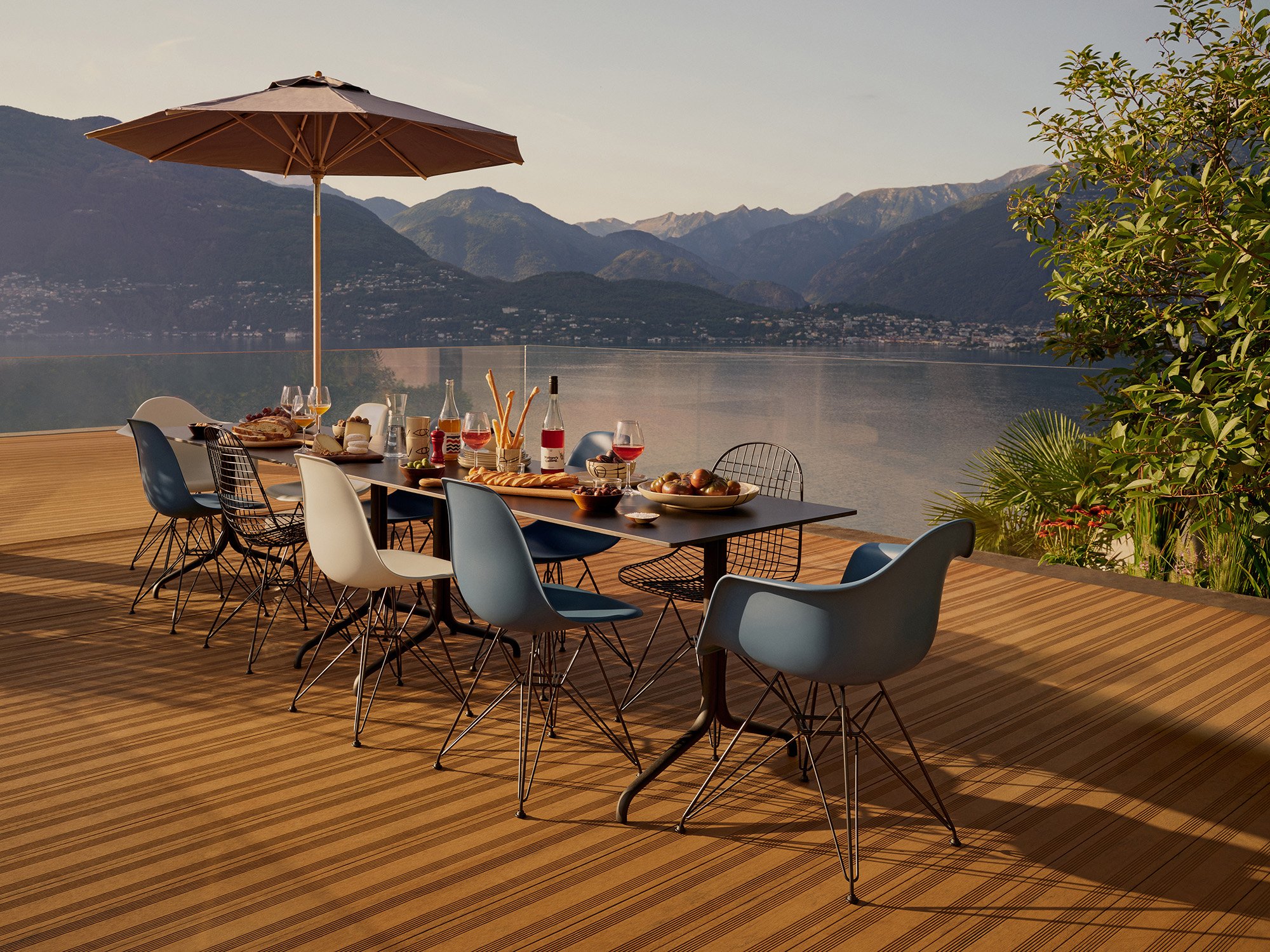
Suitable for outdoor use: Eames Plastic Chairs DSR and DAR with powder-coated bases

From Eames to Jongerius: The designers behind Vitra

Vitra’s history and development are closely linked to the designers with whom the company has collaborated over the decades. From the visionary designs of Charles and Ray Eames, through the structural works of Jean Prouvé and the experimental forms of Verner Panton, to the contemporary perspectives of Hella Jongerius and Ronan & Erwan Bouroullec, the Vitra collection brings together a variety of design approaches. What they all have in common is a commitment to developing furniture that is functional, durable and remains relevant in the long term.

Charles & Ray Eames

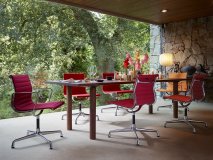
The Vitra story really only begins in earnest with Charles & Ray Eames. These two icons of 20th-century American furniture design remain, to this day, the cornerstones of the Vitra portfolio and the Vitra philosophy. Classics such as the Eames Lounge Chair, the Eames Plastic Chair DSR and the Aluminium Chairs (e.g. EA 117 and EA 119) have not only stood the test of time over decades, but continue to inspire young designers to this day and are among the best-known designs in the Vitra collection. Charles Eames also helped to formulate the philosophy that has shaped Vitra, viewing designers as ‘authors’. For Eames, the ‘recognition of need’ – the identification of a need – was the purpose of design. The designer should therefore take a back seat and put their creativity at the service of problem-solving.

Charles and Ray Eames

Hella Jongerius

The Dutch designer Hella Jongerius has been collaborating with Vitra since the early 2000s and is now regarded as one of the brand’s most influential designers. Her designs are characterised by a sensitive approach to colours, materials and textiles, as well as the combination of industrial manufacturing and handcrafted details. For Vitra, she has designed, amongst other things, the Polder Sofa, the East River Chair and the Suita Club Chair, as well as home accessories such as the Colour Block Blanket. Furthermore, her research into Colours and materials has shaped the design development of numerous Vitra products.

Hella Jongerius

Verner Panton

The grand seigneur of Danish design was Verner Panton, who was the first designer to develop a completely new product in collaboration with Vitra: the Panton Chair. After completing his studies at the Copenhagen Academy of Fine Arts, Panton worked briefly in Arne Jacobsen’s studio before setting up his own practice. A series of successful design, architectural and interior design projects eventually led to his meeting with Willi Fehlbaum. The rest is design history.

Verner Panton

Ronan and Erwan Bouroullec

In 2000, Rolf Fehlbaum asked the then relatively unknown French design duo Ronan and Erwan Bouroullec to design an office system for Vitra. The result was Joyn, which was launched in 2002 and was the brothers’ first office system. Today, the Bouroullecs are among the most influential contemporary designers and each work from their own studios. Among other pieces, they have designed the Slow lounge chair and the Softshell Armchair, the Nuage vase and numerous other pieces of furniture and accessories.

Ronan and Erwan Bouroullec

George Nelson

As part of the licensing agreement with Herman Miller, the company’s former Design Director, George Nelson, joined Vitra in 1957. Despite this rather indirect route, Nelson became an important mentor to Rolf Fehlbaum and played a decisive role in shaping the company’s design philosophy. As a designer himself, Nelson was equally influential. Designs such as the Marshmallow Sofa, the Coconut Chair and the Nelson Bench, as well as his numerous clock designs, including the Wall Clocks, are now considered icons of American design.

George Nelson

Antonio Citterio

Vitra’s collaboration with the Italian designer and architect Antonio Citterio began in 1985. Citterio has designed numerous products for Vitra, but is best known for his office chairs, including the ACX Light swivel chair and the extensive ID Chair series and the Unix Chair. He has also been involved in various architectural projects for Vitra, designing, amongst other things, production buildings for the company.

Antonio Citterio

The original is by Vitra

Original Vitra furniture meets the highest quality standards, is characterised by its durability and can be passed down from generation to generation. But what exactly does ‘original’ mean? Aren’t the original Eames pieces from the 1940s and 1950s housed in the Museum of Modern Art (MoMA) in New York or the Centre Pompidou in Paris? Isn’t every reproduction simply a copy? Whilst in the visual arts the terms ‘original’ and ‘forgery’ are clearly defined, their meaning in design requires further explanation. In the designer furniture industry, a design may only be produced by manufacturers who hold the relevant licences and rights of use. Without this legal basis, the item is an unauthorised replica – in other words, a copy or a counterfeit.

What does this mean specifically for Vitra furniture? The Fehlbaum family, founders of Vitra, maintained a close friendship with Charles and Ray Eames. To this day, Vitra, as an authorised manufacturer, cares for and carefully develops the designers’ estates to preserve and carefully develop their creative legacy. An original may therefore be designated as such only if both the legal and conceptual requirements are met. The claim that only the first-produced examples of a design are originals is misleading and is frequently used to justify replicas.

Every design aims to solve a specific problem, and the initial designs often serve merely as the starting point for a development process. Charles and Ray Eames, too, worked throughout their lives to refine their products, experimenting with new materials and improving details whenever better solutions were found. As continuous development is an integral part of design, Vitra furniture manufactured today is just as much an ‘original’ as historical vintage pieces and mid-century classics.

The Eames Fibreglass Chairs by Charles and Ray Eames are now once again being produced in their original form

Heart Cone Chair with cognac-coloured leather upholstery – only the original from Vitra

Akari UF3–Q – bearing Isamu Noguchi’s stamped signature

Sustainability at Vitra: Durable furniture for the future

For Vitra, sustainability is not merely a project or a corporate objective, but a philosophy that shapes the brand and every aspect of the company. Vitra views sustainability as a holistic approach that manifests itself at various levels – in its treatment of staff, in the interaction between different nationalities within the company, in its support for childcare through its own Vitra nursery, in the sourcing of production materials, and in the use of renewable energy, for example by powering its buildings with hydroelectricity.

Vitra sets out its social and environmental responsibilities in the Vitra Policy, a code of conduct that forms the basis for responsible action. Issues such as competition law, health and safety at work and data protection are just as central to this as collaboration with partners and suppliers. Throughout the entire supply and value chain, Vitra relies on shared standards, always taking into account the entire life cycle of a product. An important component of this approach is durability, as well as the ability to repair, reuse and, at the end of their life cycle, recycle products wherever possible. Vitra offers an extended warranty of 10 to 30 years on selected design classics – full details on registration and the warranty can be found here and directly from Vitra.

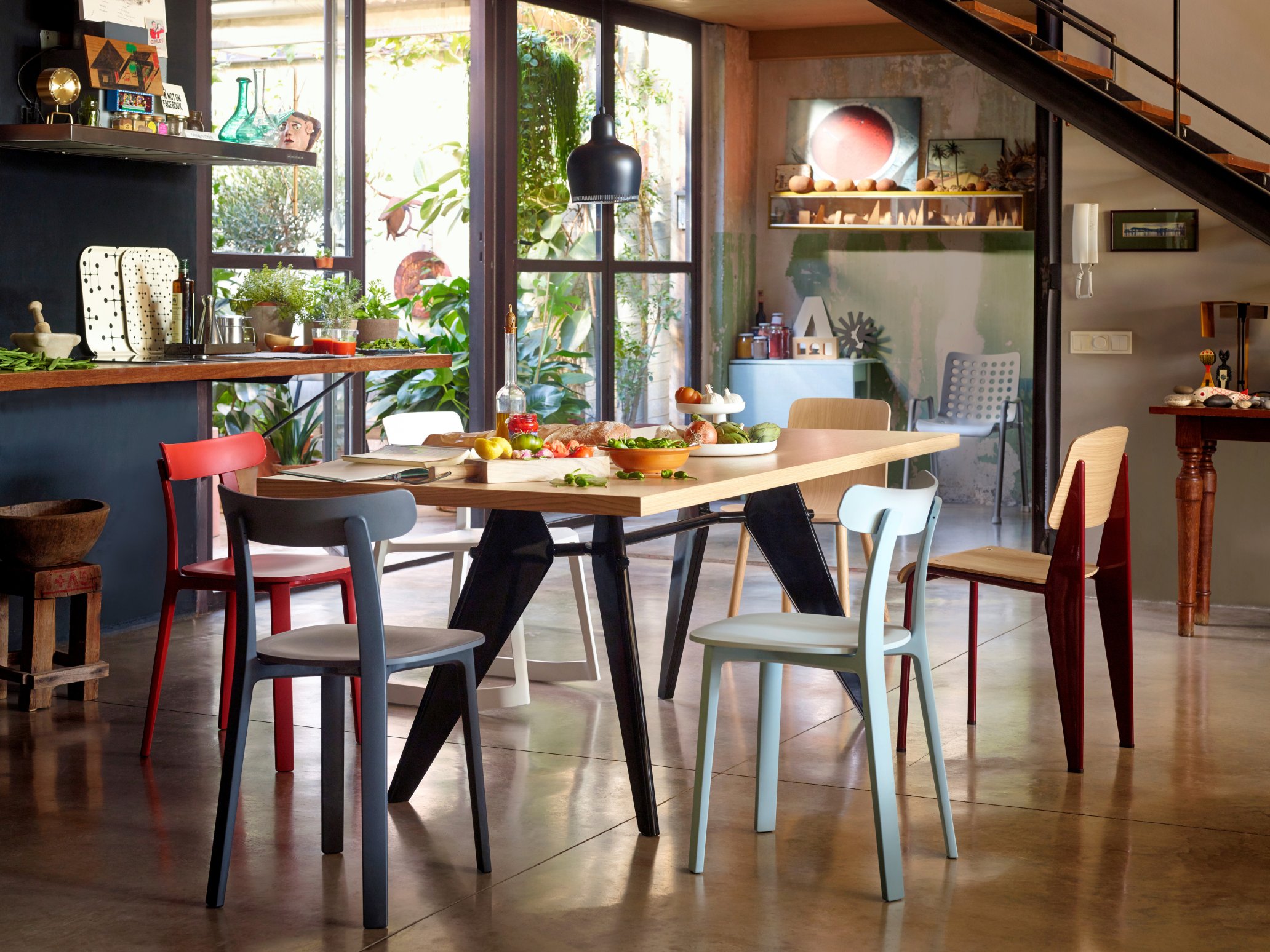
Bunter Stuhlmix in der Wohnküche – Wasserbasierte Lacke für Holzoberflächen reduzieren bei Vitra den Einsatz von Lösemitteln und damit verbundene Emissionen

What materials does Vitra use?

Vitra’s aim with its products is to combine durable, high-quality materials sourced responsibly. The company’s holistic approach to sustainability has been continuously developed since the 1980s, including through investments in renewable energy and the reduction of energy consumption.

A variety of materials are used in production, including recycled aluminium, high-quality leather, wood and cork. Vitra is increasingly turning to recycled materials and refining existing products to reduce resource consumption. One example of this is the RE collection, in which recycled materials are incorporated into new product solutions.

Vitra’s Tip Ton RE has been available since 2020; it is a further development of the Tip Ton Chair, which was launched in 2011. The chair is made entirely from recycled polypropylene and demonstrates how existing designs can be further developed through new material concepts.

This was followed in early 2024 by the Eames Plastic Chairs RE, whose seat shells are made from recycled post-consumer plastic sourced from household waste within the German recycling system. Vitra is thus continuing its strategy of further developing well-known design classics with new, more resource-efficient material solutions.

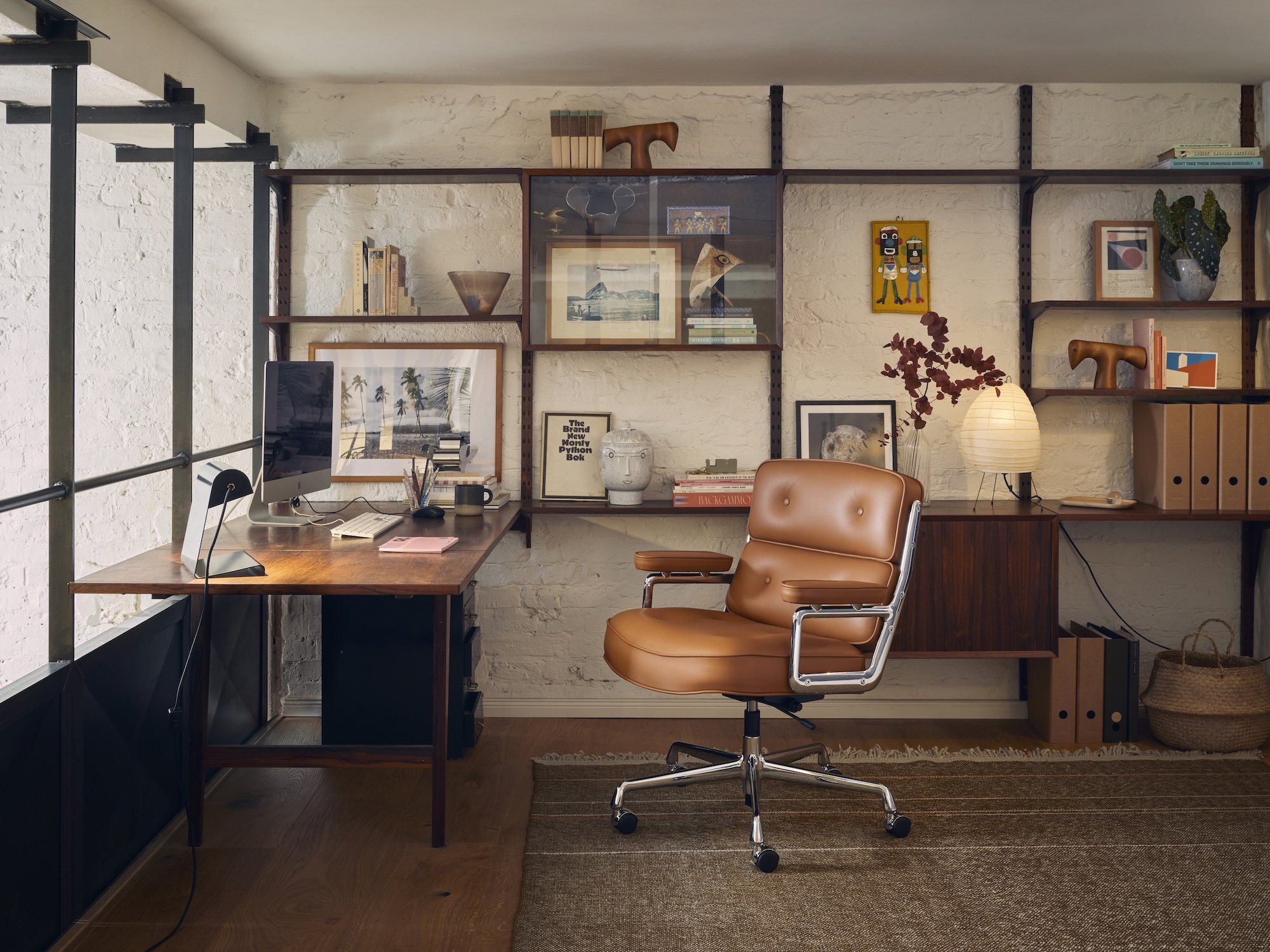
Leather classics: The Lobby Chair ES 104 brings warmth and elegance to the home office

What processes does Vitra use for the sustainable finishing of its products?
Vitra also ensures that the surface treatments it uses are durable and as resource-efficient as possible. Metals, for example, are powder-coated, whilst wooden surfaces are treated with durable lacquers.

Plastic plays an important role in many Vitra designs. Thanks to its high durability, ease of care and versatility, it is particularly well-suited to long-lasting furniture. At the same time, Vitra is working to further increase the proportion of recycled plastics in its products.
Furthermore, Vitra takes various environmental and health standards into account. Depending on the product and market requirements, relevant certifications and awards are utilised, including, for example, the Blue Angel, the GS mark, EcoVadis or the GREENGUARD Gold Label. The focus is on the entire product life cycle – from material selection through to production and long-term use.

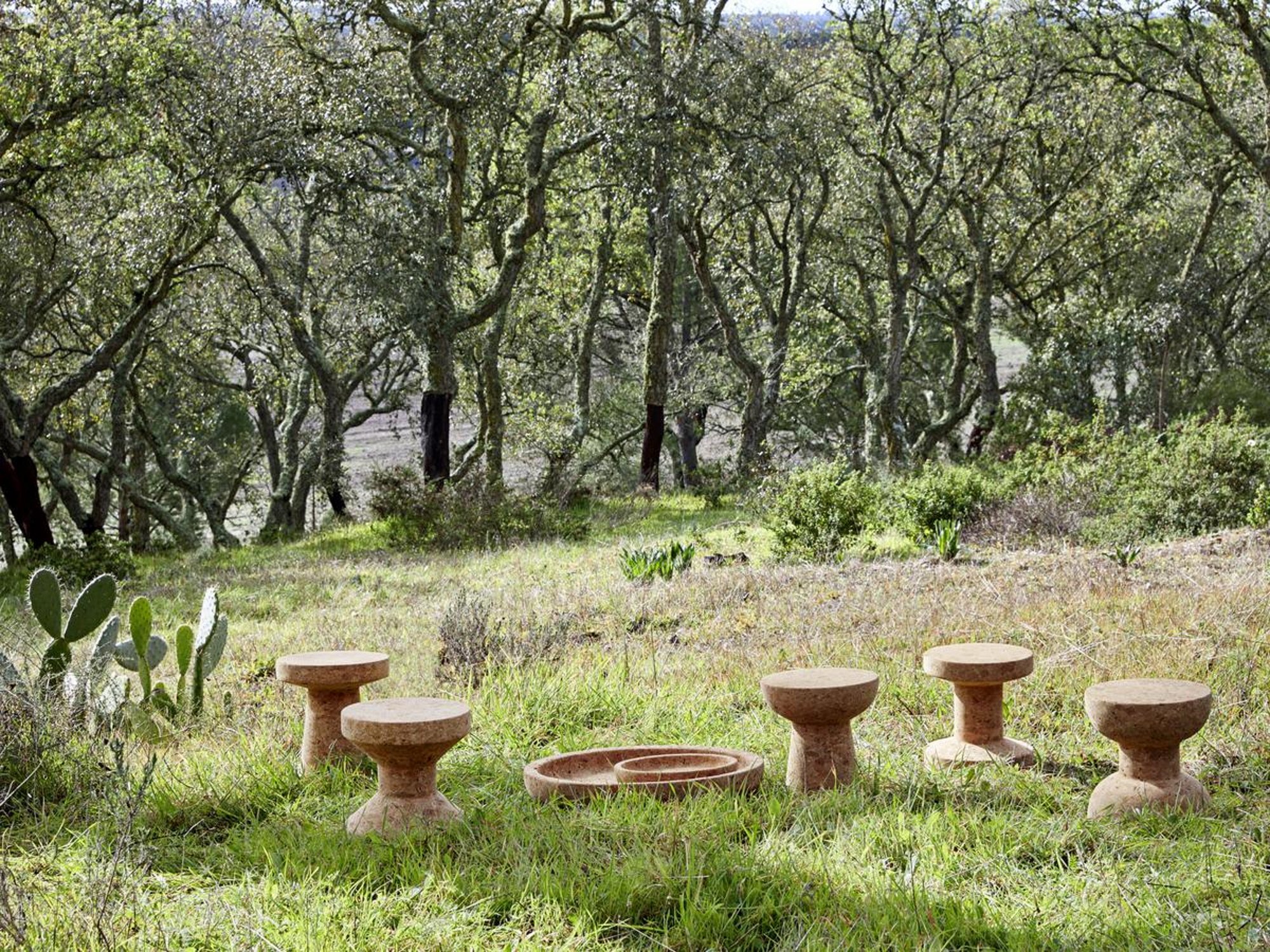
The original and sustainable alternative to the classic side table and stool – the Cork Family Stool by Jasper Morrison, made from the natural material cork

Discover Vitra furniture at smow

At smow, you can explore Vitra furniture online and visit our smow stores You can try out selected pieces of furniture and compare materials and finishes using samples. For furnishing homes and planning office interiors, our smow team is on hand in many cities across Germany to offer personal advice and bespoke planning to assist you.

More about 'Vitra' in our Journal

smow Homestory: At Home with Content Creator Willy Iffland

Anyone who follows Willy Iffland on Instagram might think that his daily life revolves mainly around trainers, collaborations and the camera. However, when you meet him in person, it quickly becomes clear that this surface-level impression tells only a small...

smow Journal Design Calendar: 25th January 1970 - Visiona 2 by Verner Panton Opens in Cologne

...In 1965 Verner Panton wowed Cologne with his flying chair concept before in 1967 the, arguably, defining moment in Verner Panton's career was reached when Vitra released the eponymous Panton Chair; a product that so violently altered what we understood about furniture that although initially only produced until 1979, its influence remains unbroken to this today...

smow Journal Design Calendar: 18th January 1949 - Happy Birthday Philippe Starck!

...From his first commissions for the Italian manufacturers Driade and Baleri Philippe Starck has gone on to collaborate with the likes of Vitra, Cassina, Alias and perhaps most famously Kartell where products such as La Marie, Louis Ghost or the Bubble Club sofa have established themselves as genuine modern furniture design classics...

smow Journal Design Advent Calendar

One of the biggest challenges facing product designers in coming years will undoubtedly be the question of planned obsolescence. For while we genuinely believe that the majority of designers understand their responsibilities in terms of sustainability and...


All 'Vitra' Posts